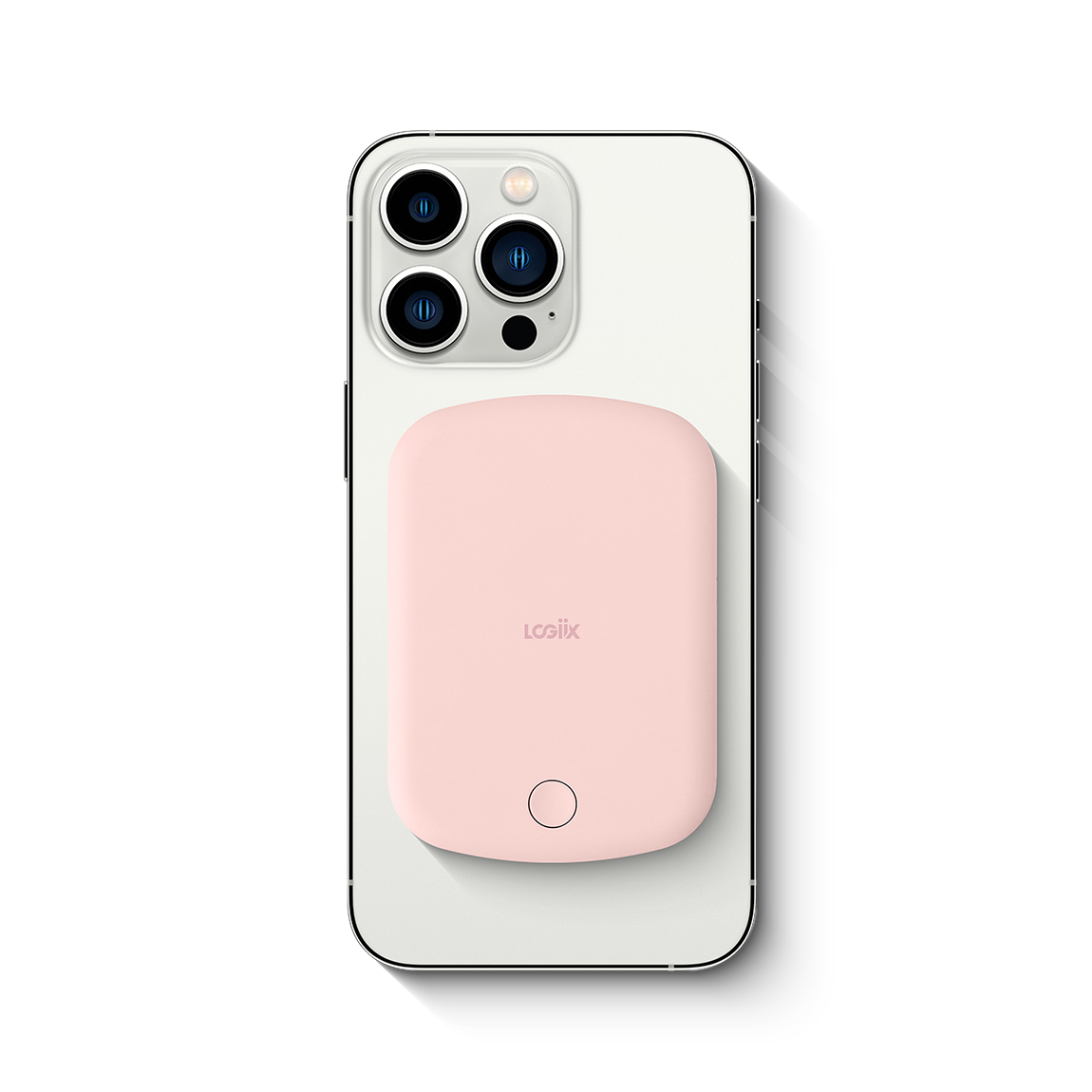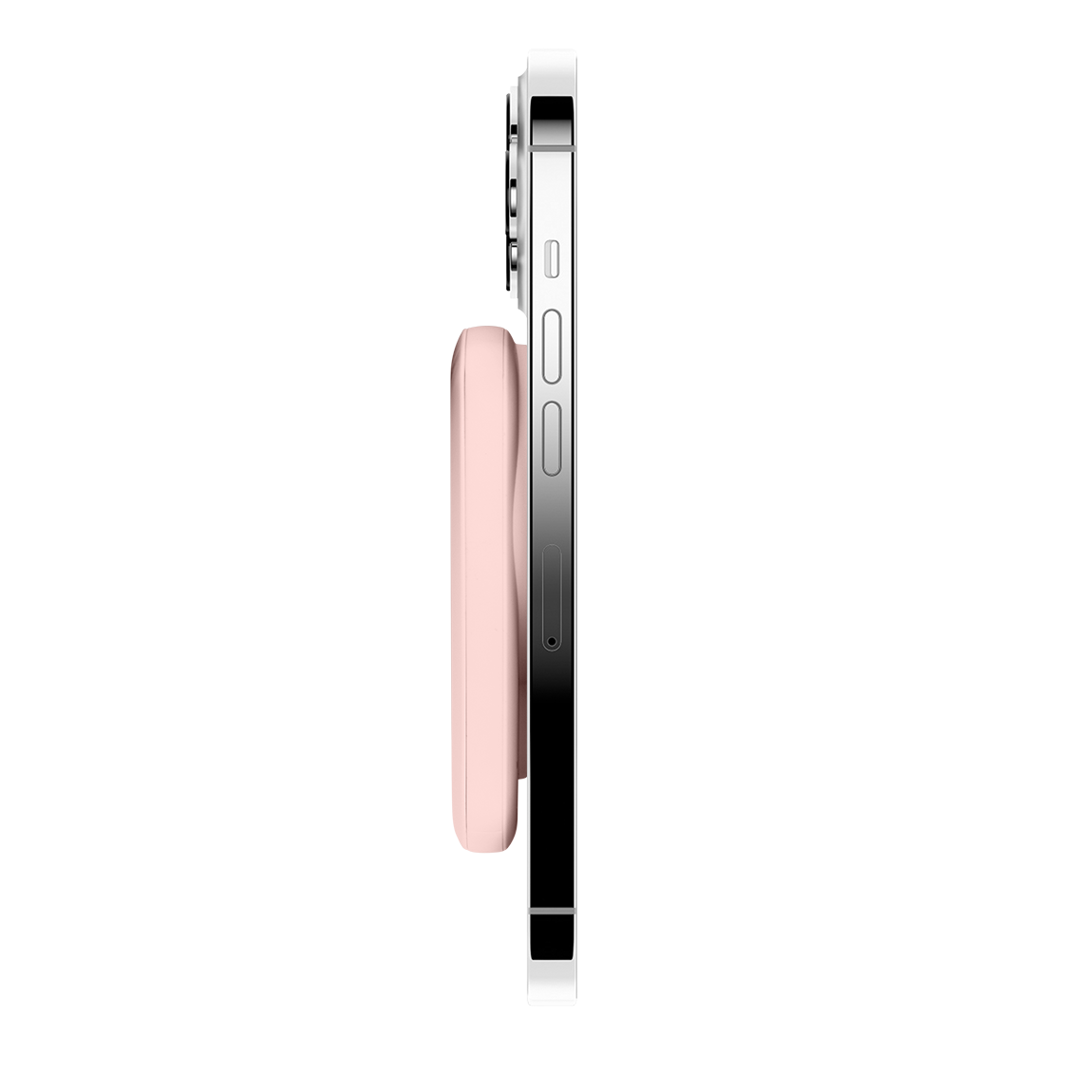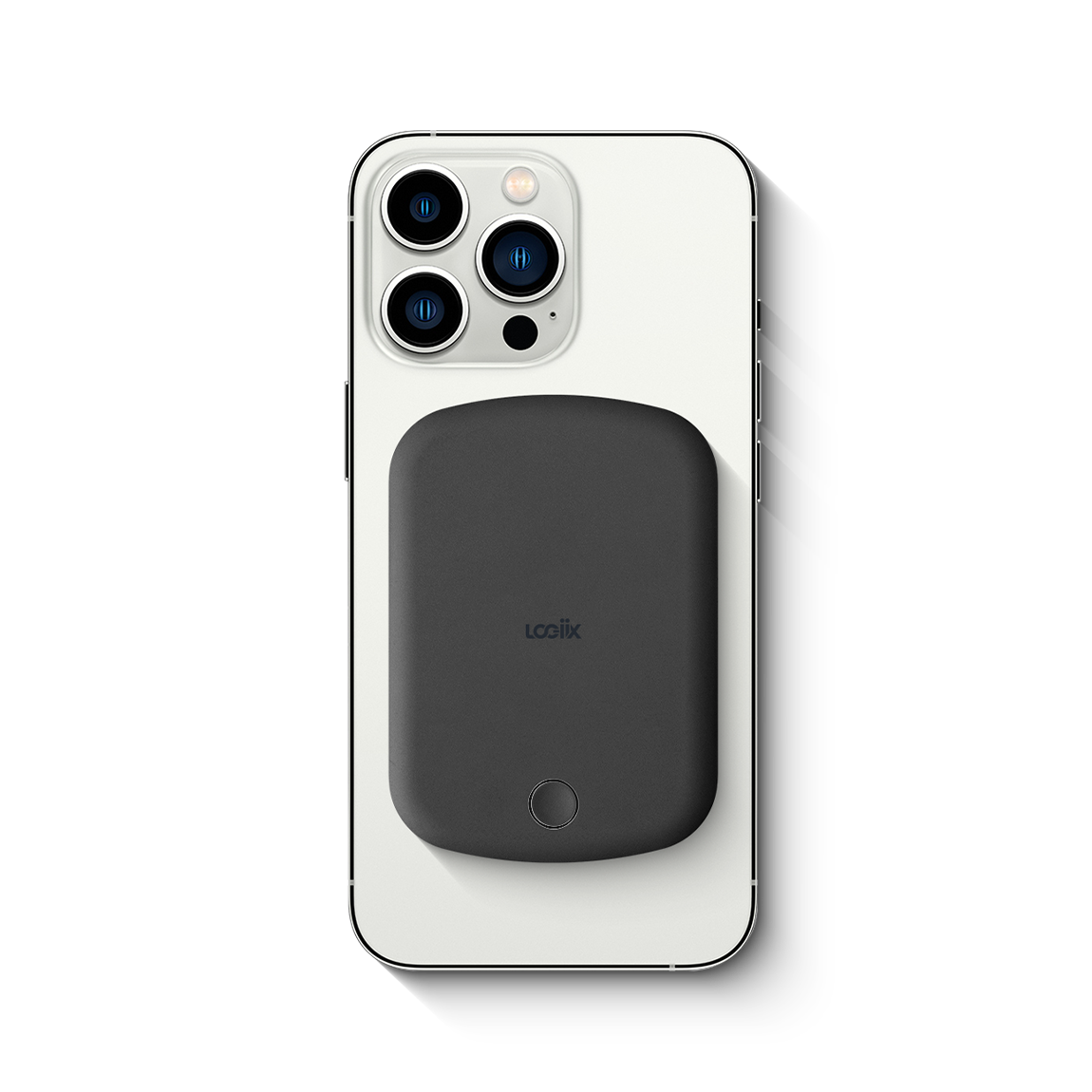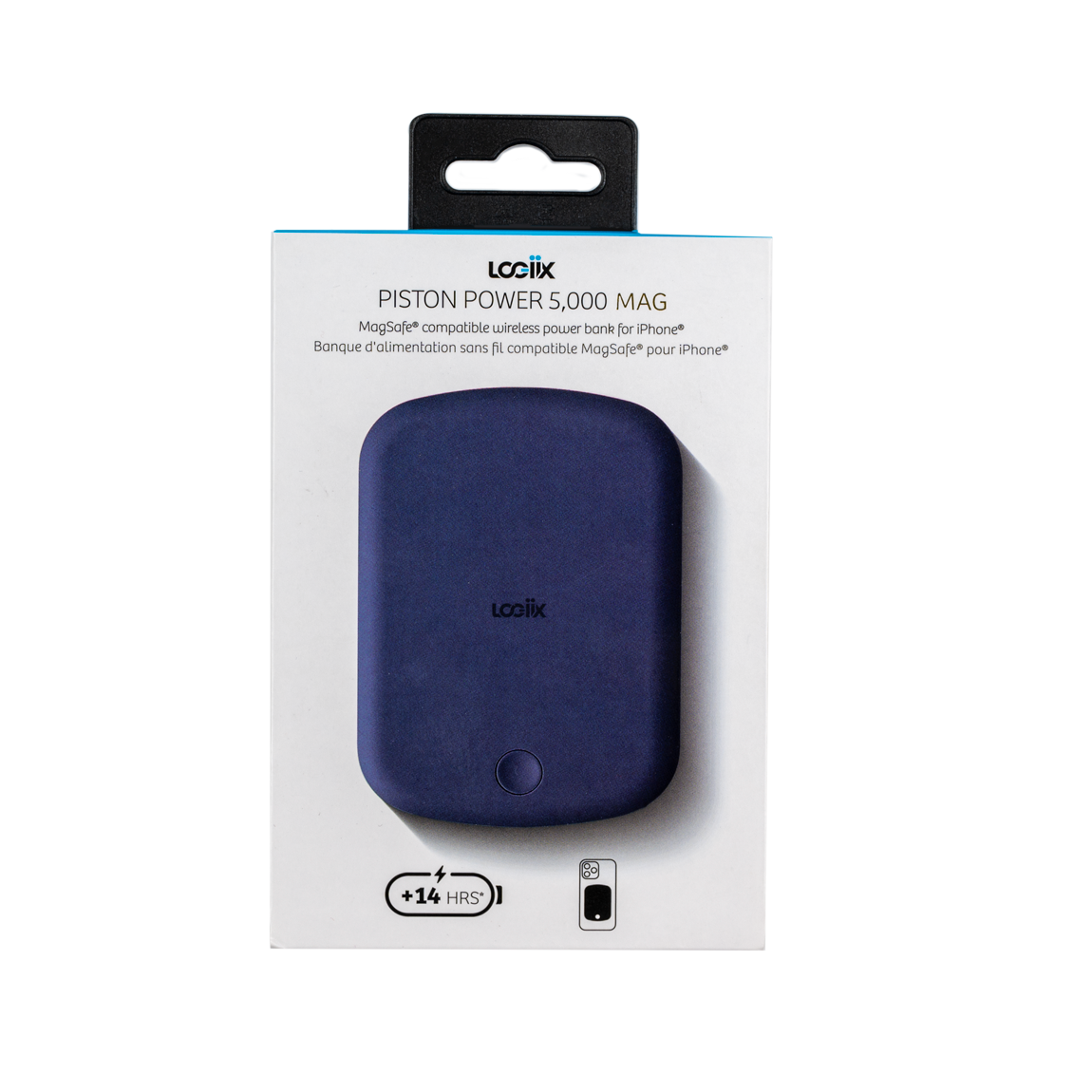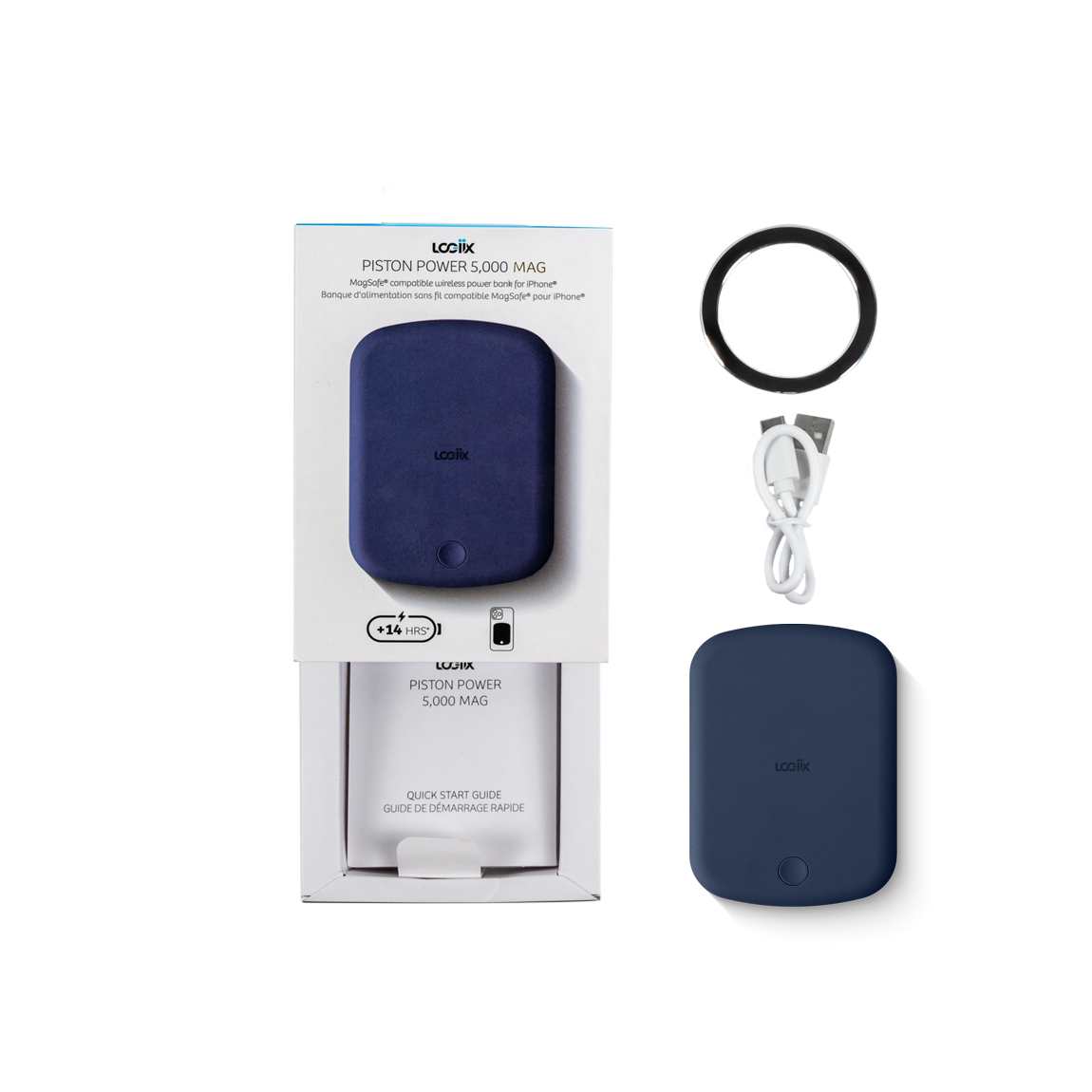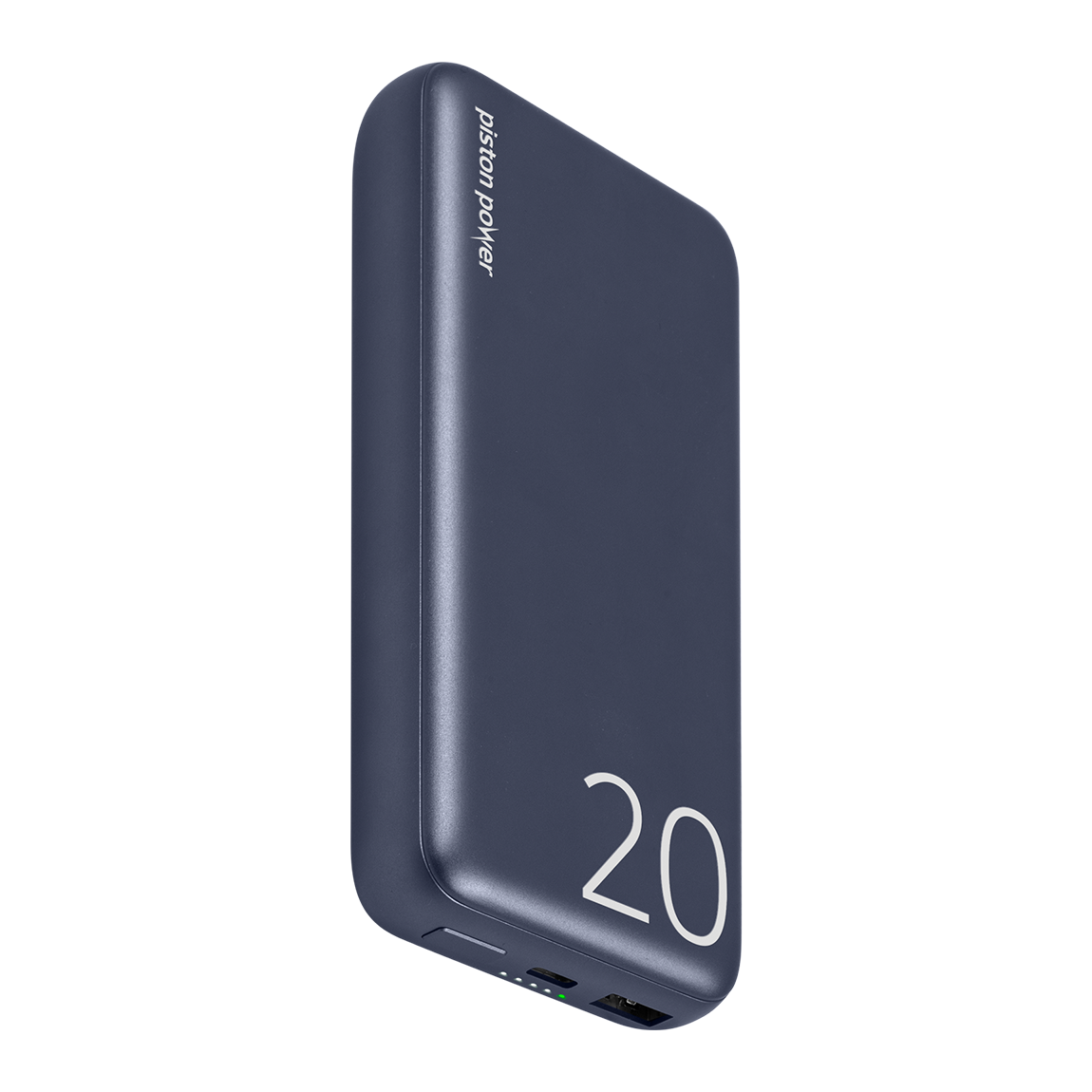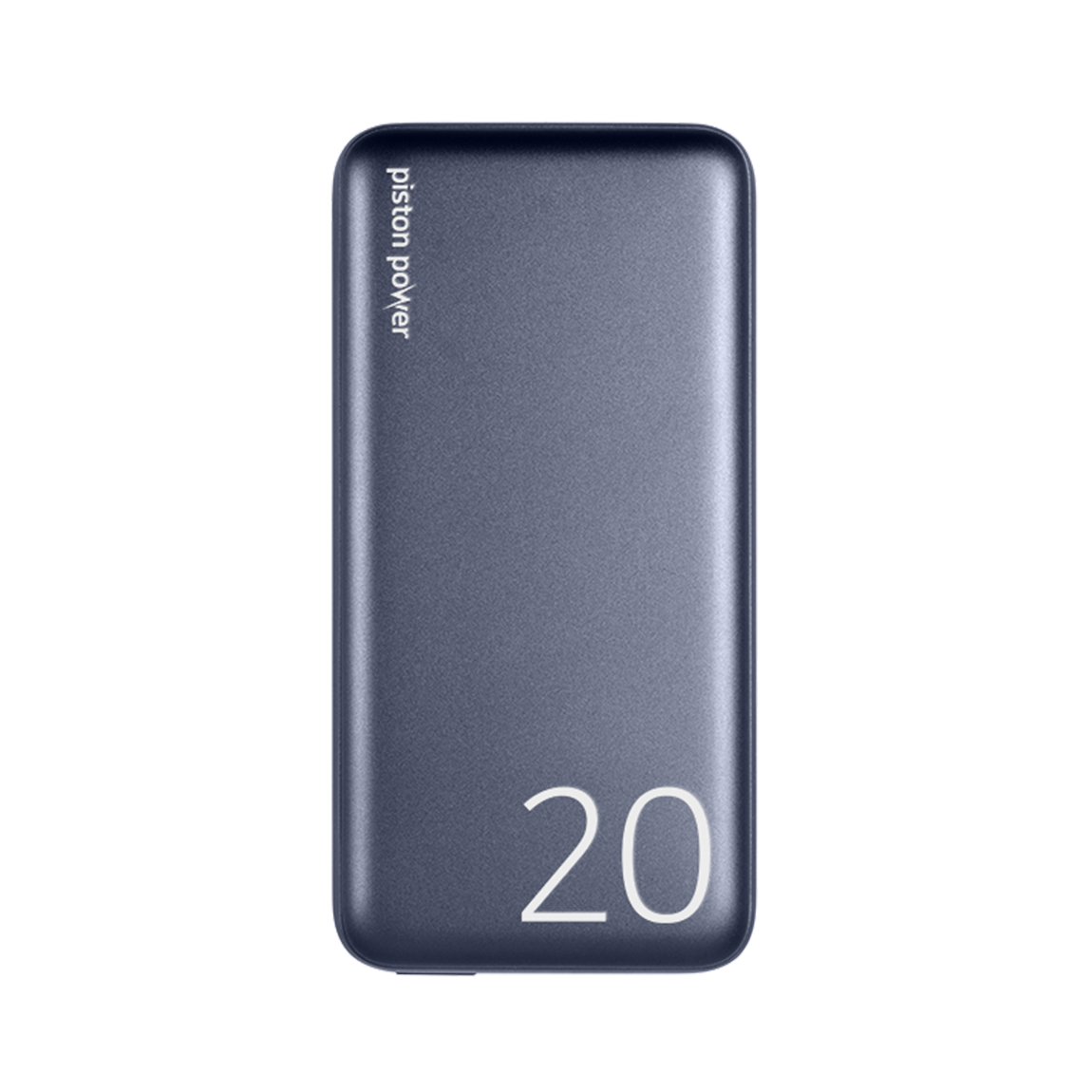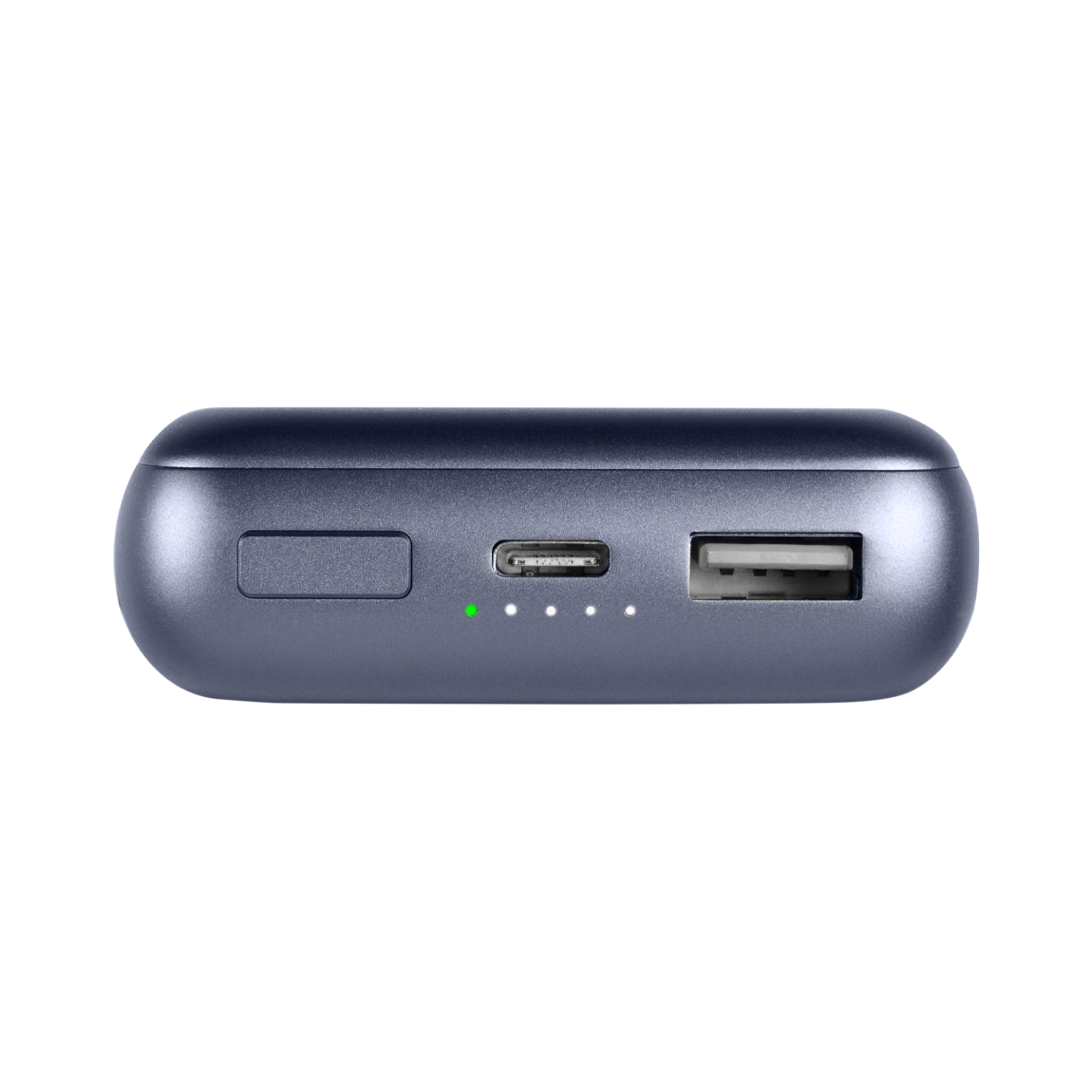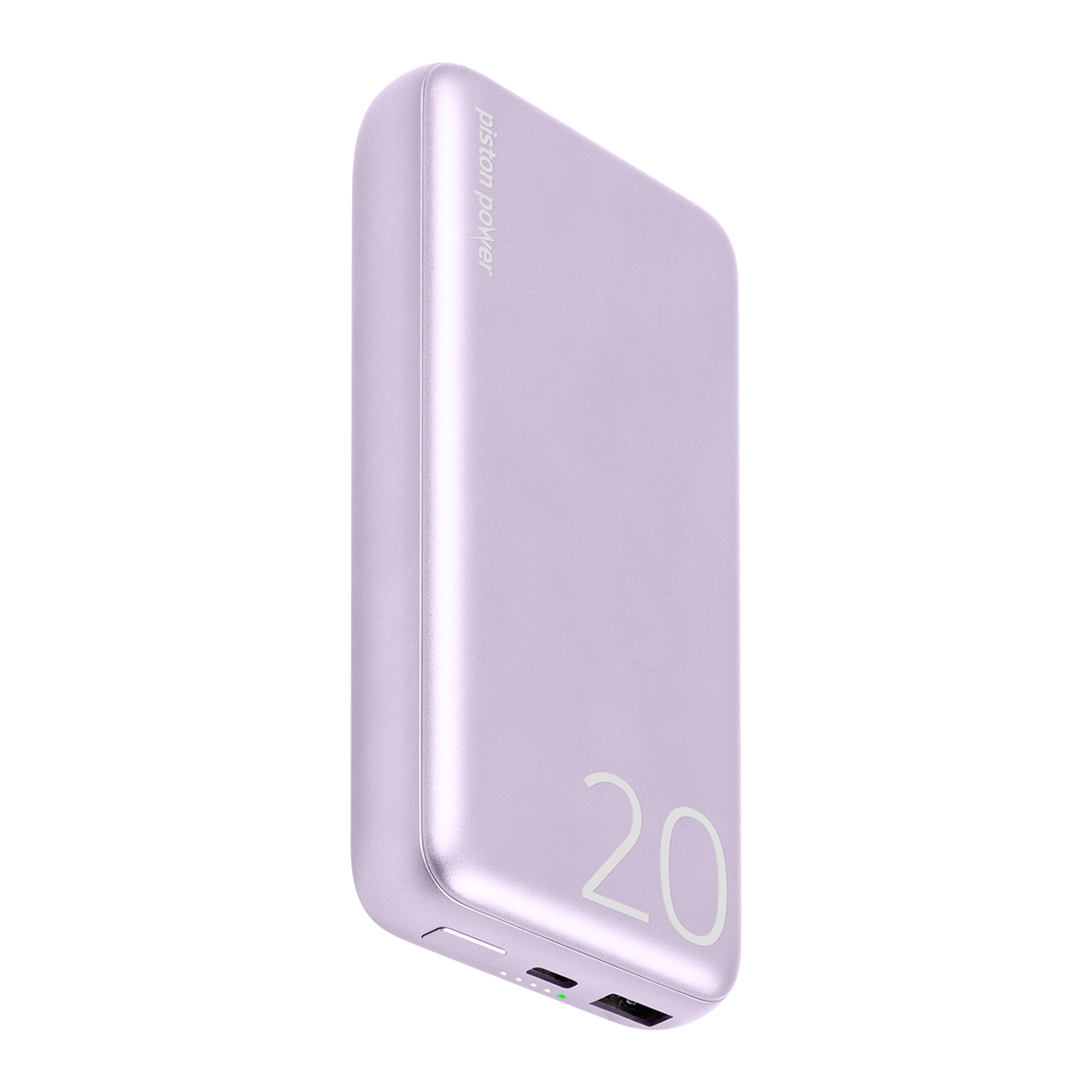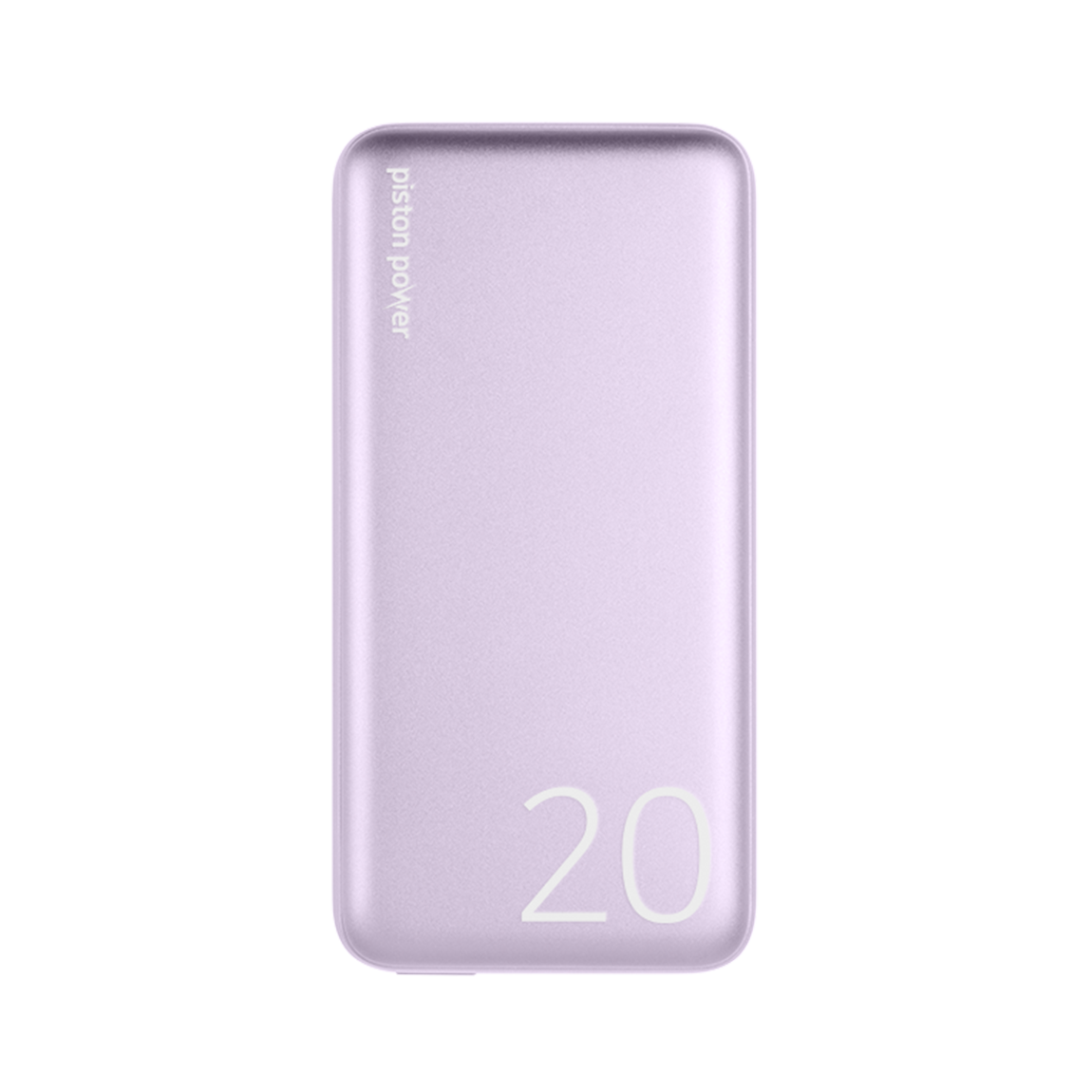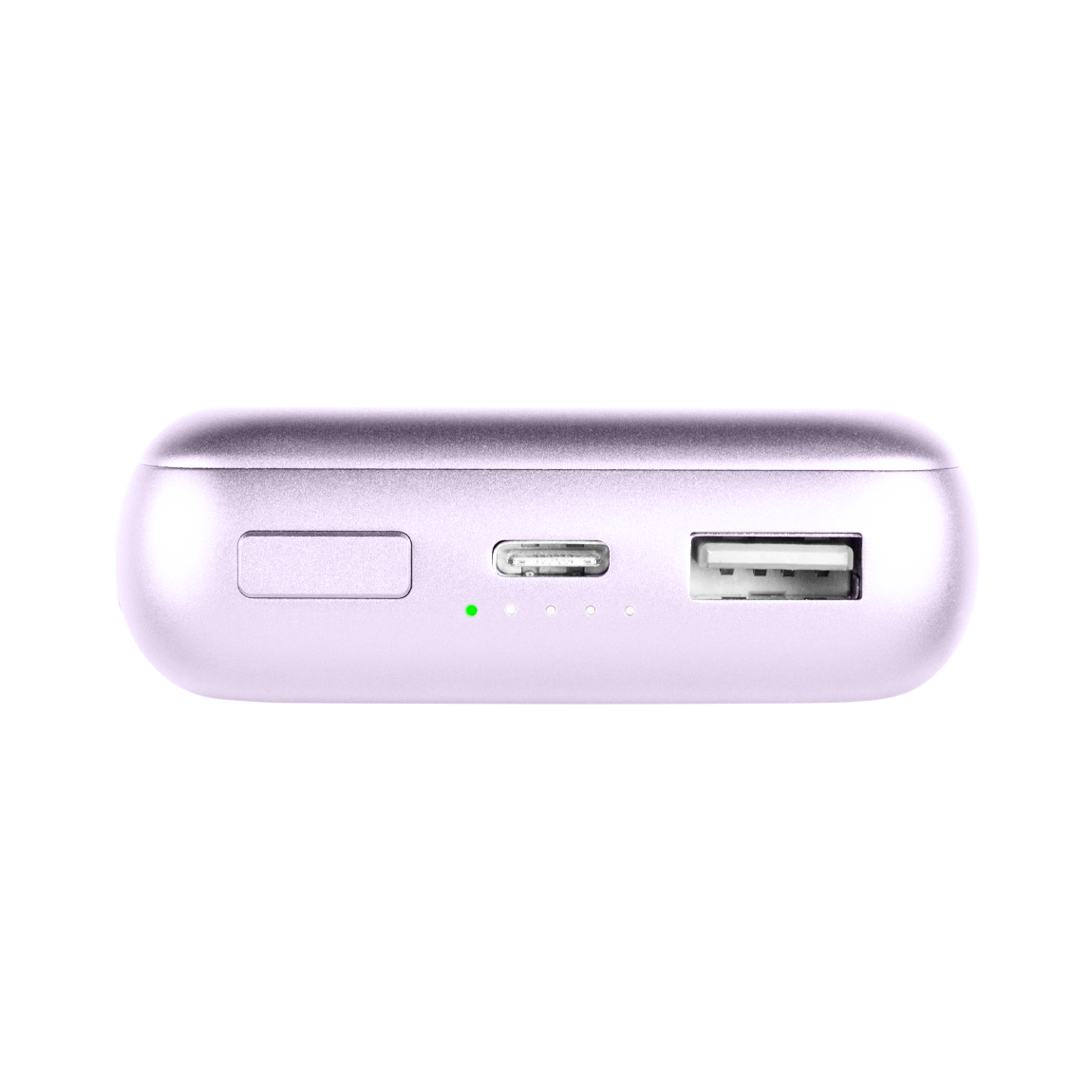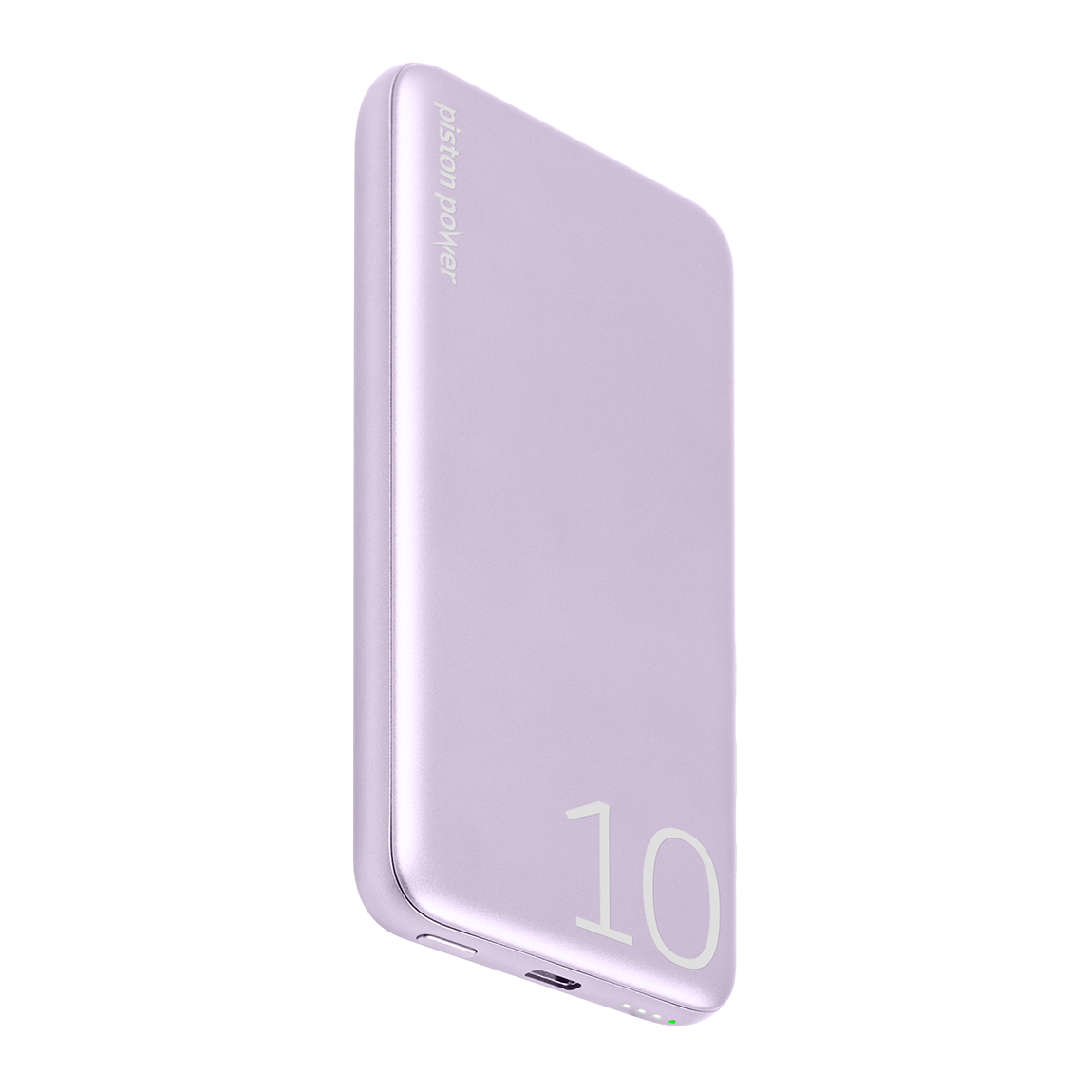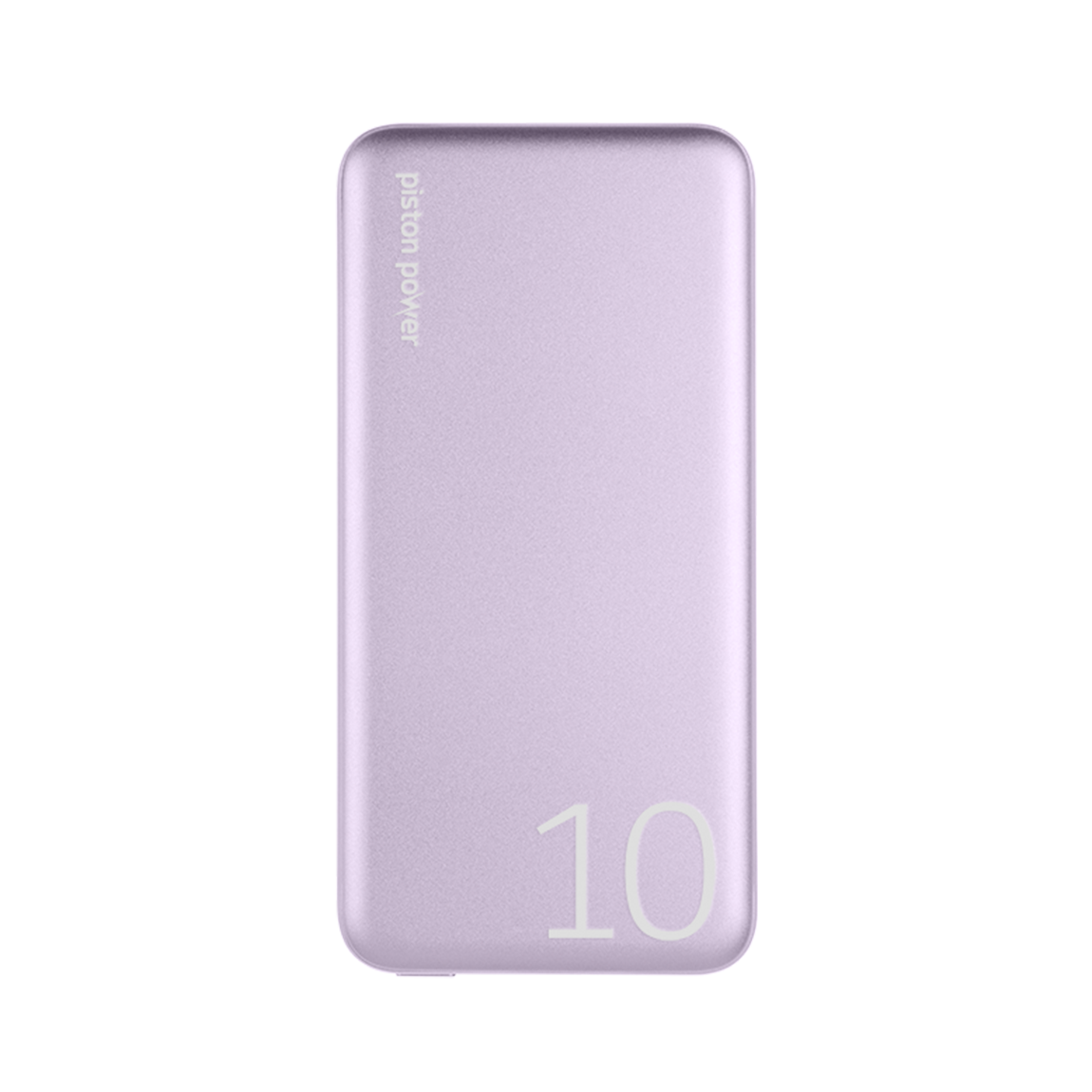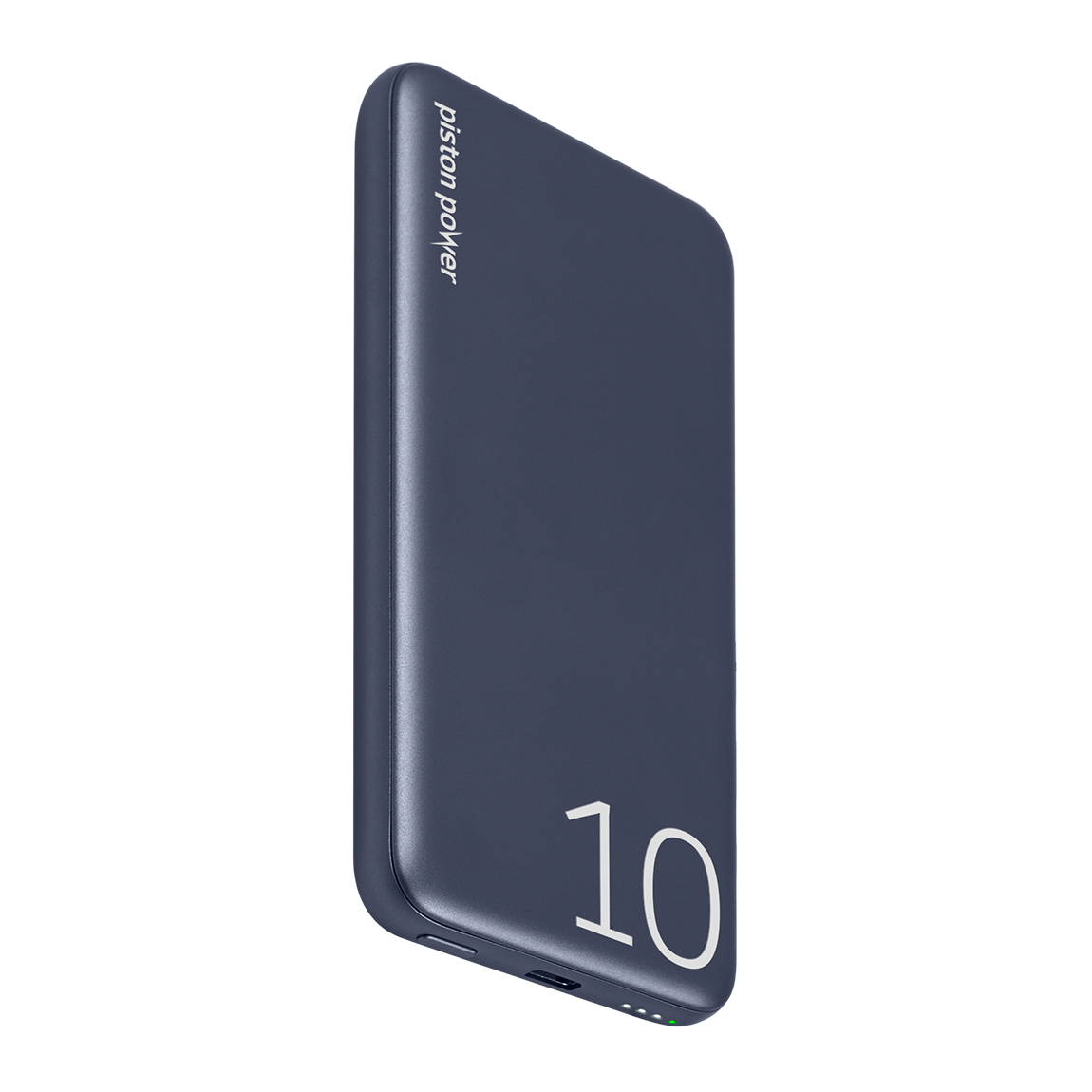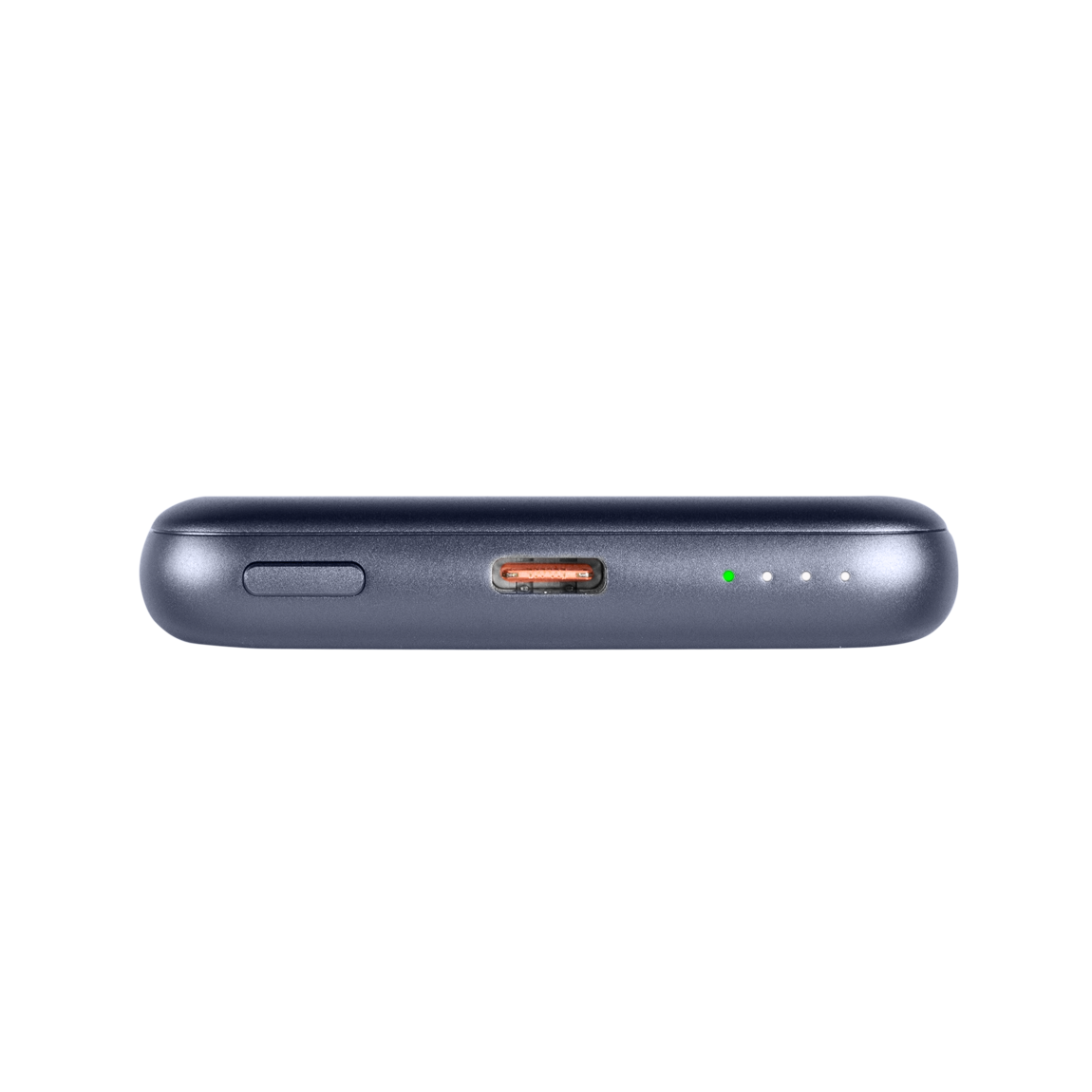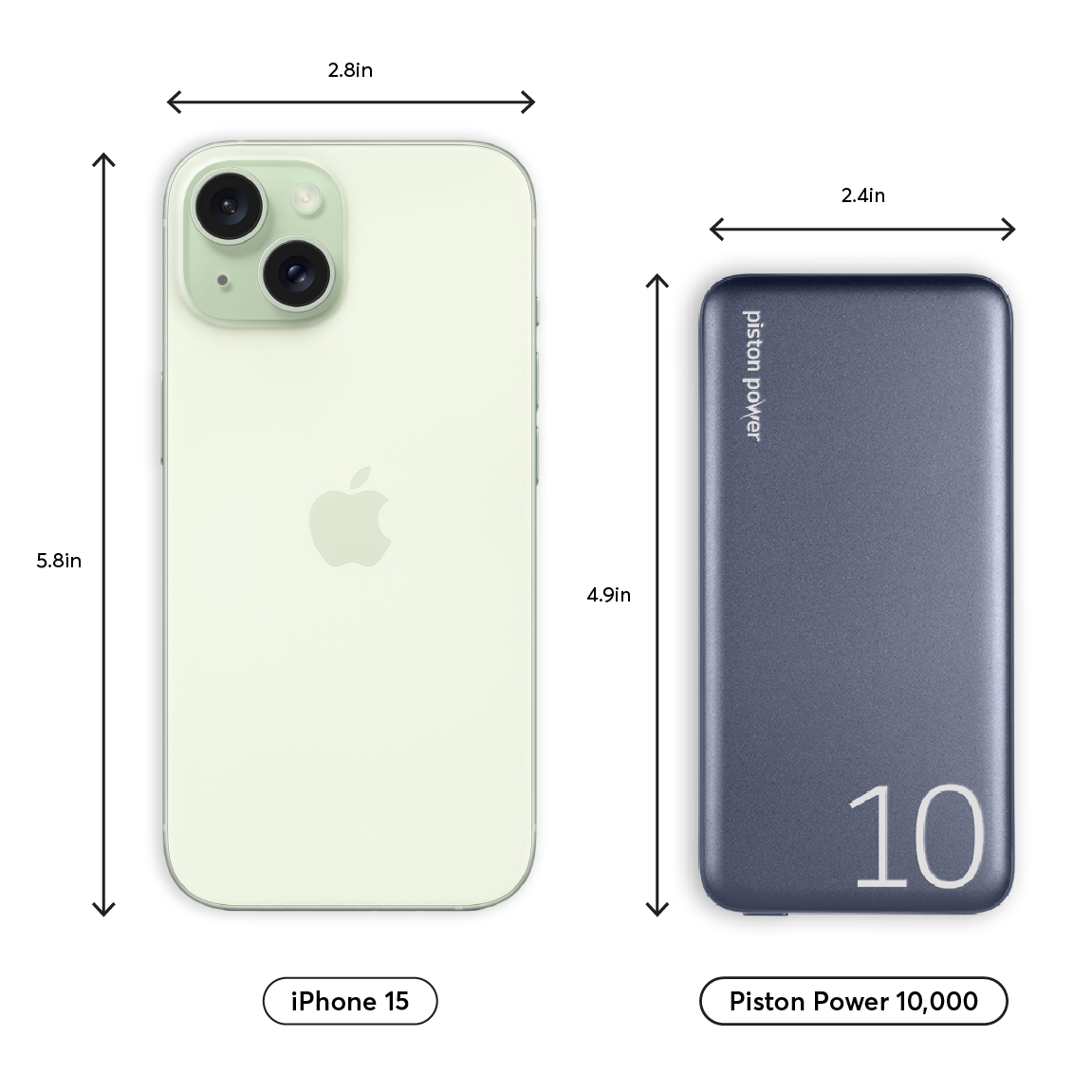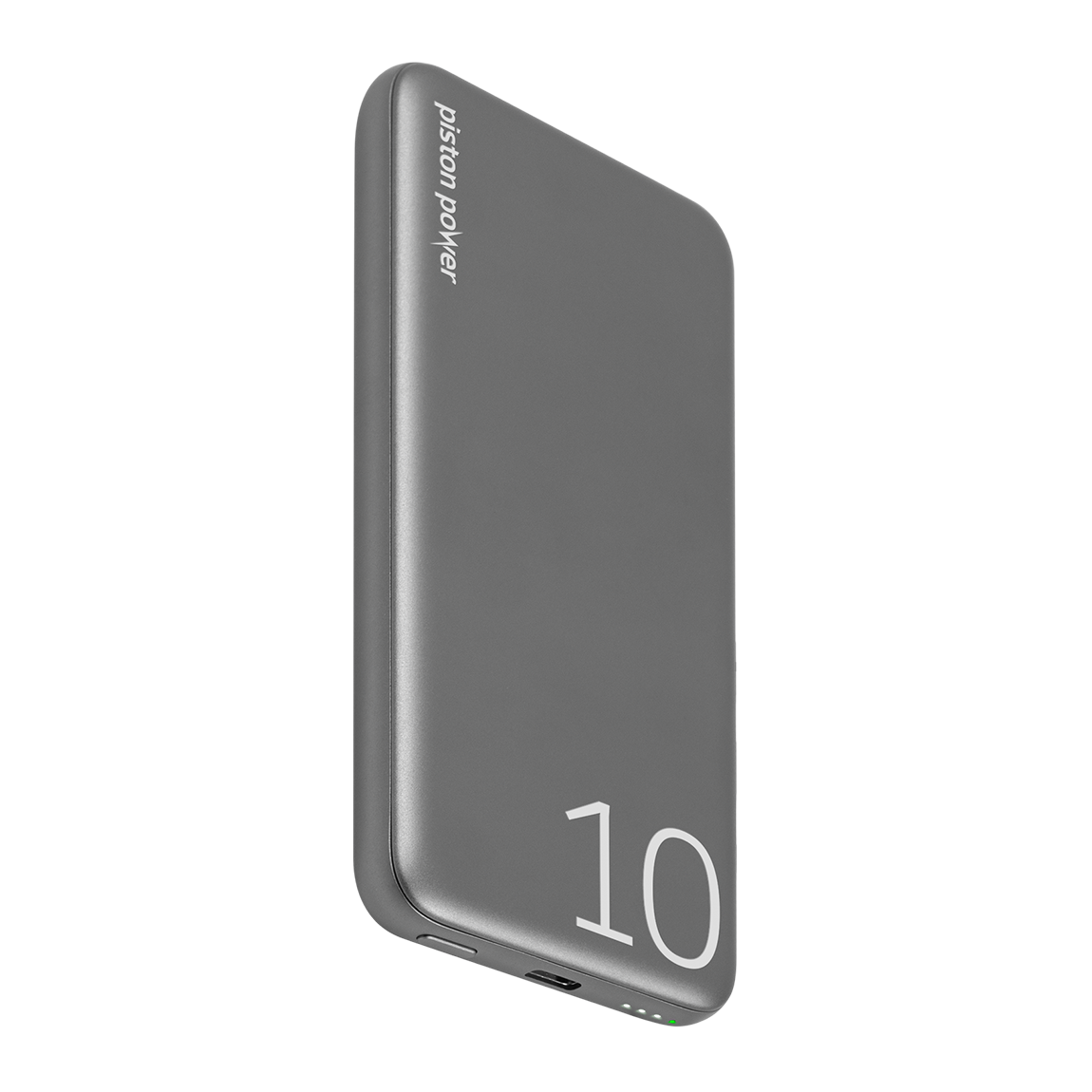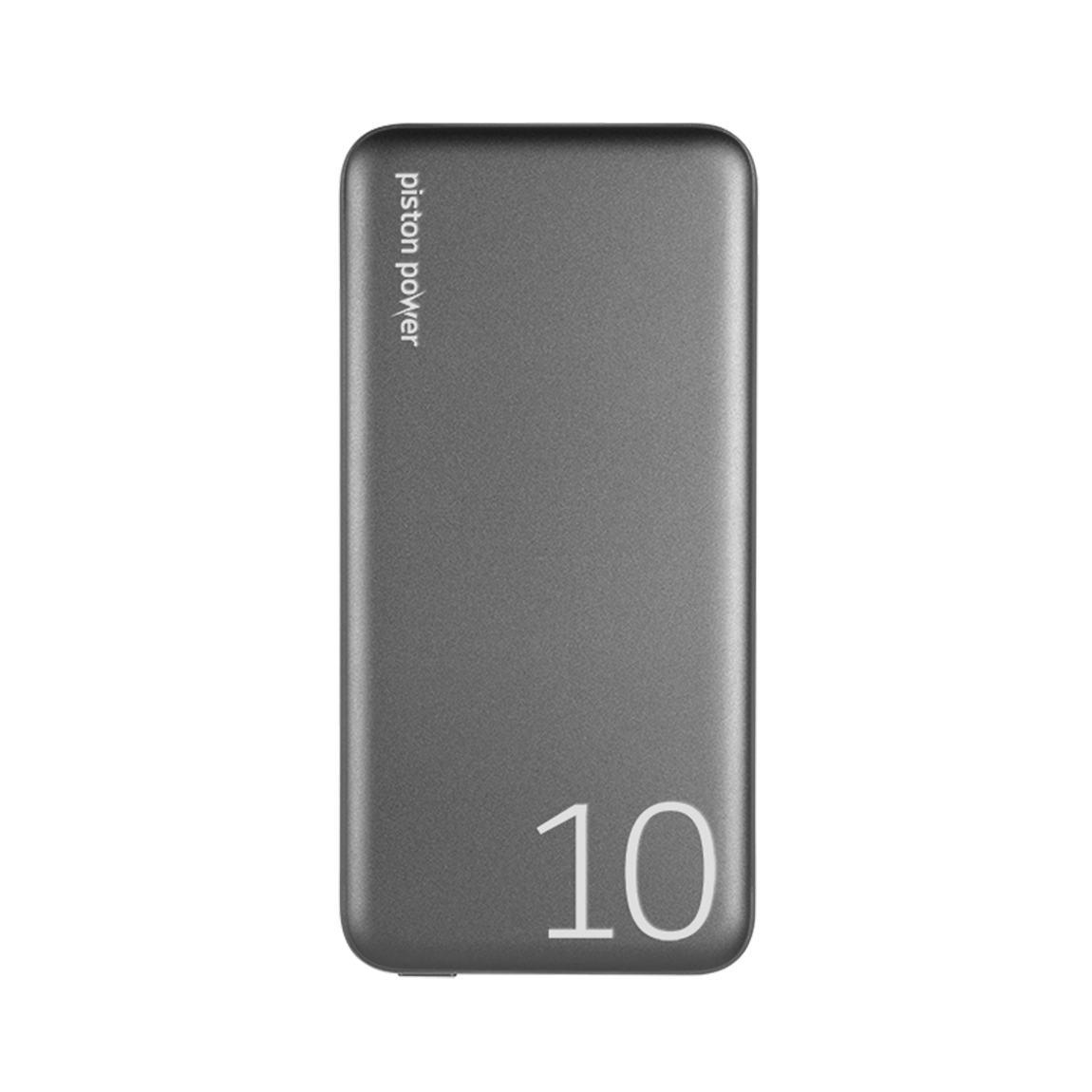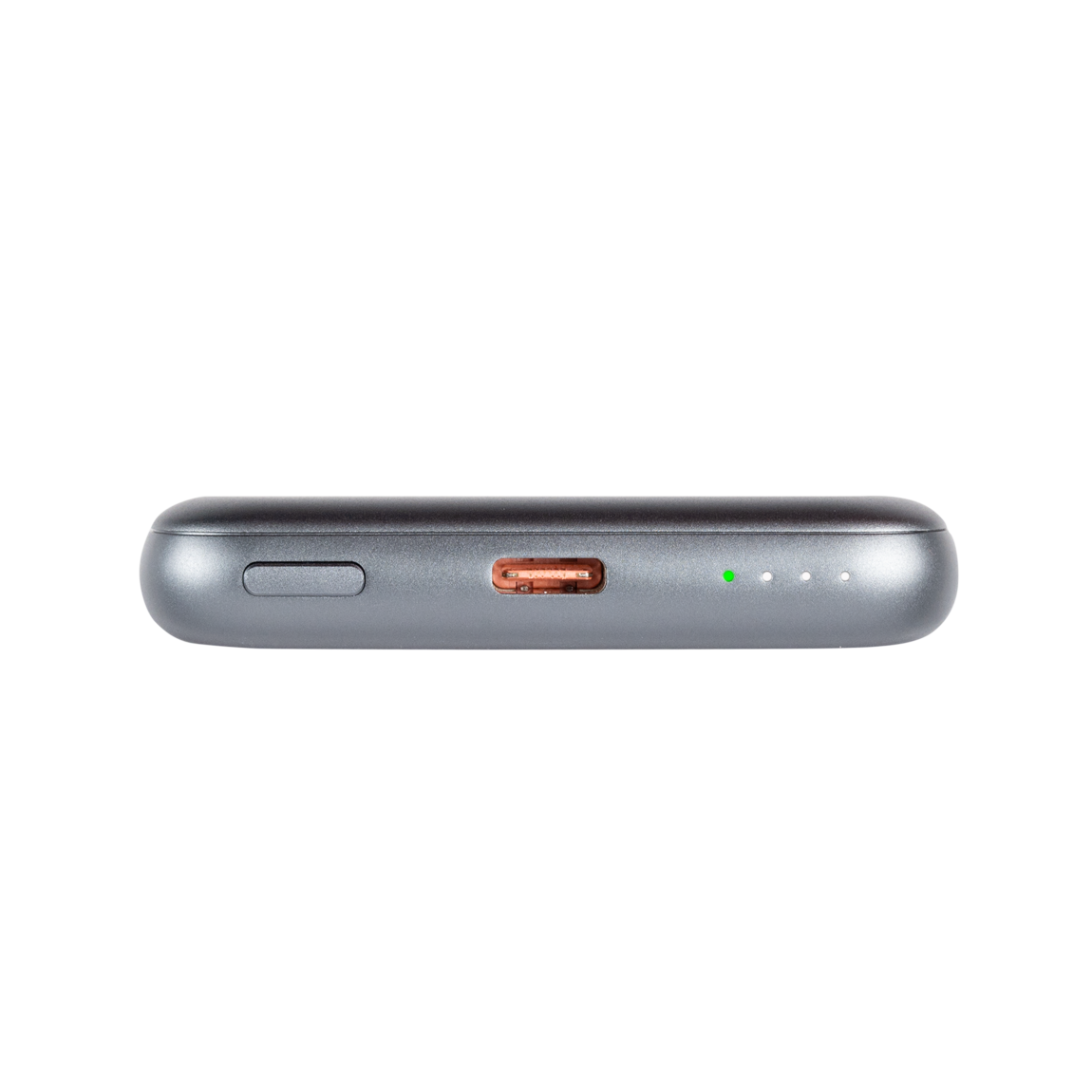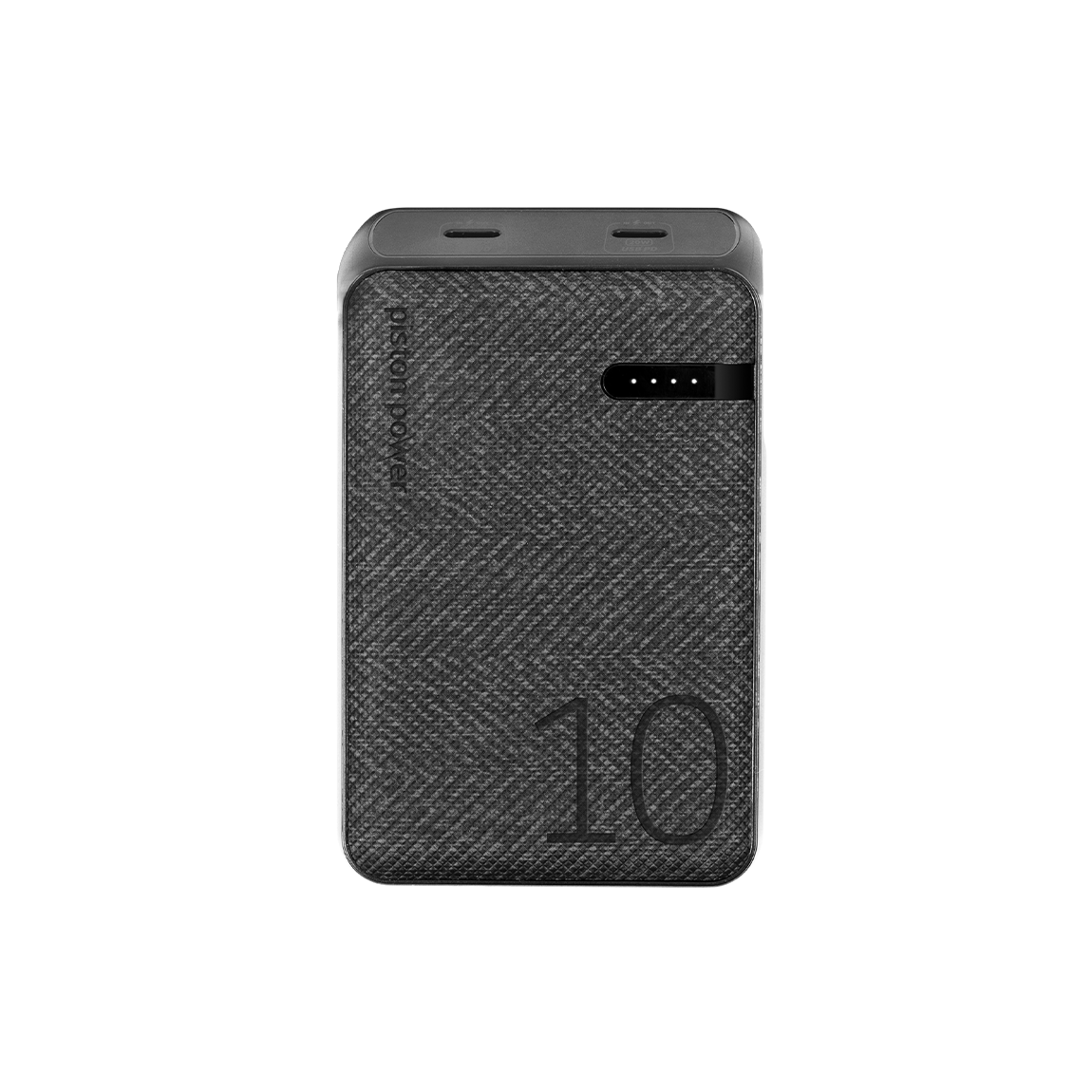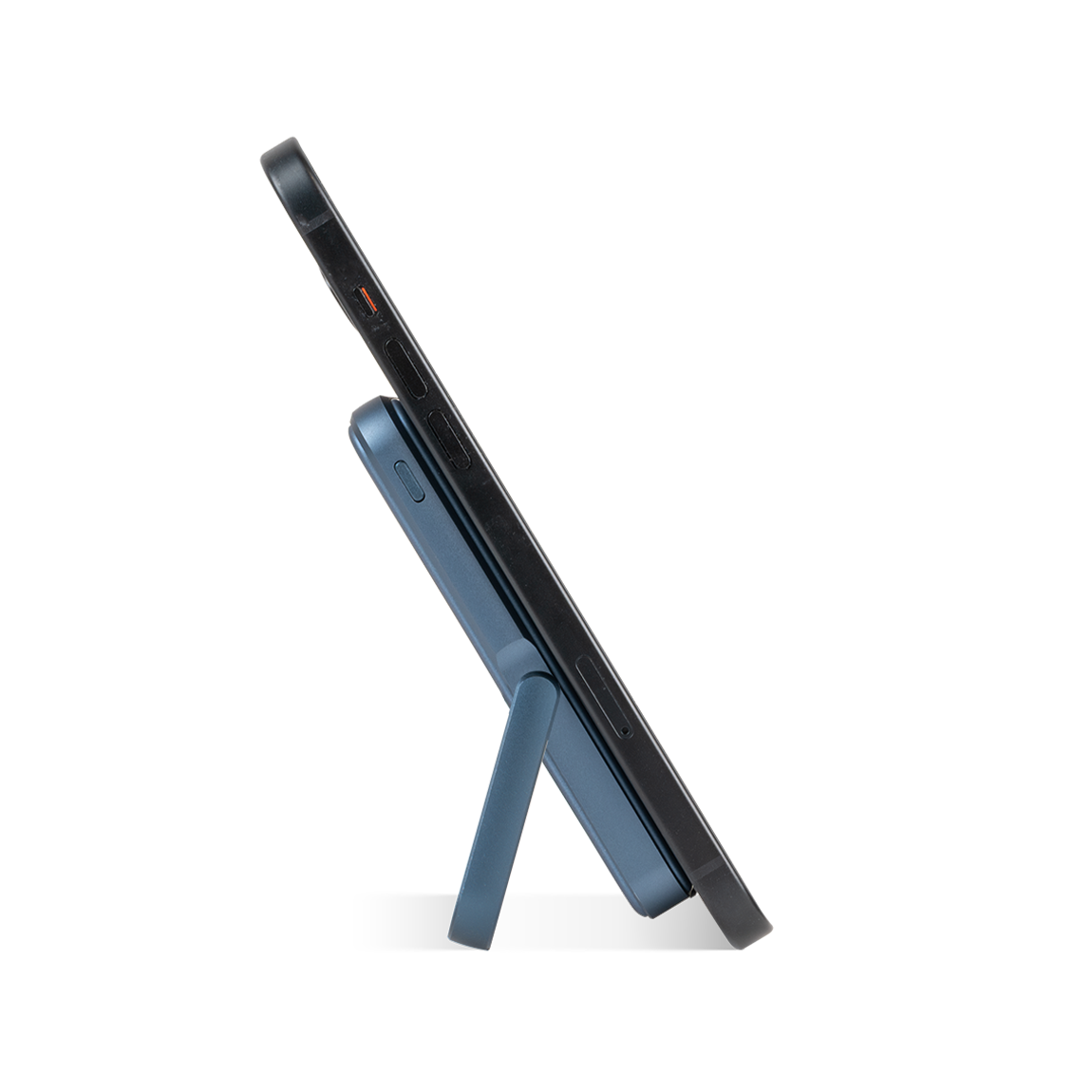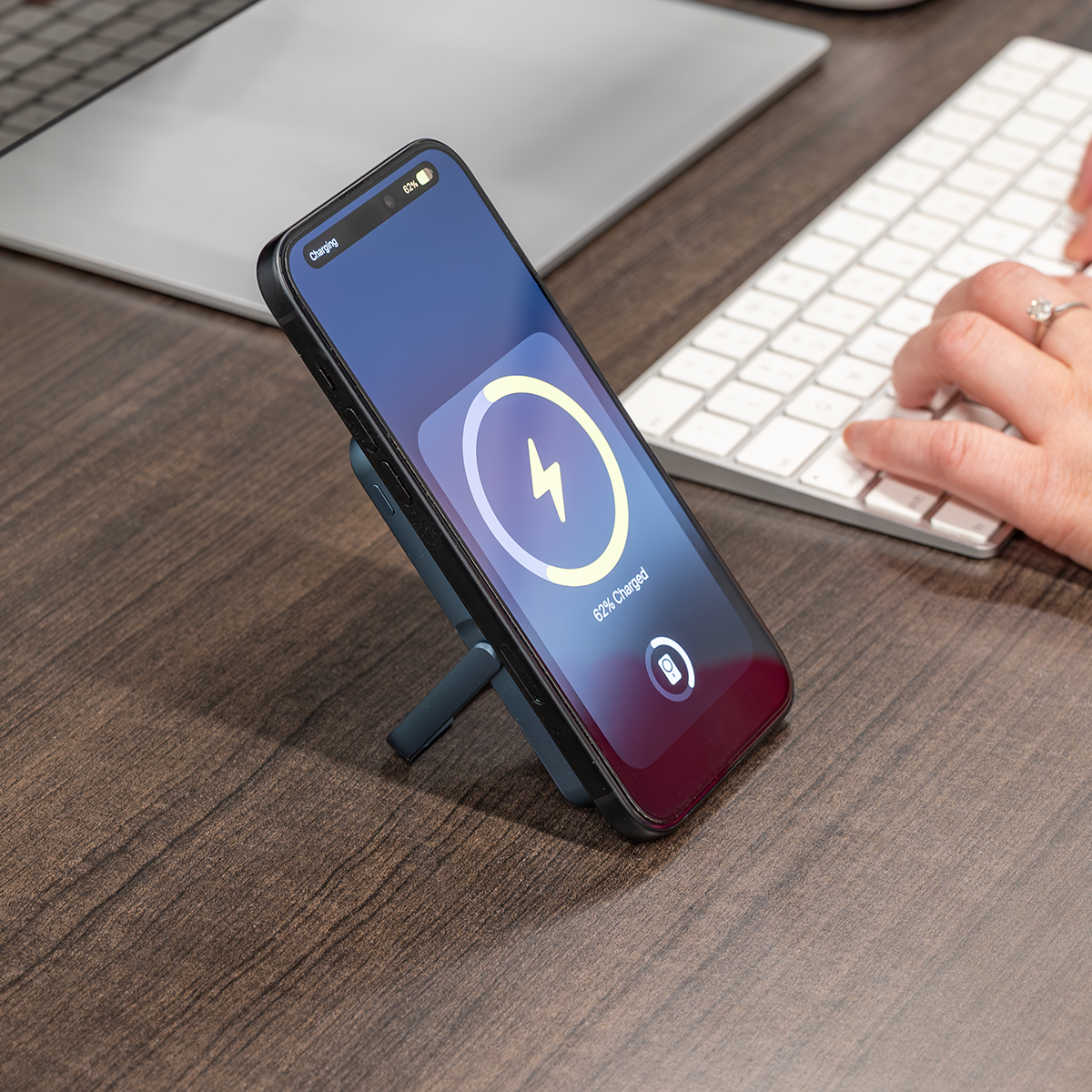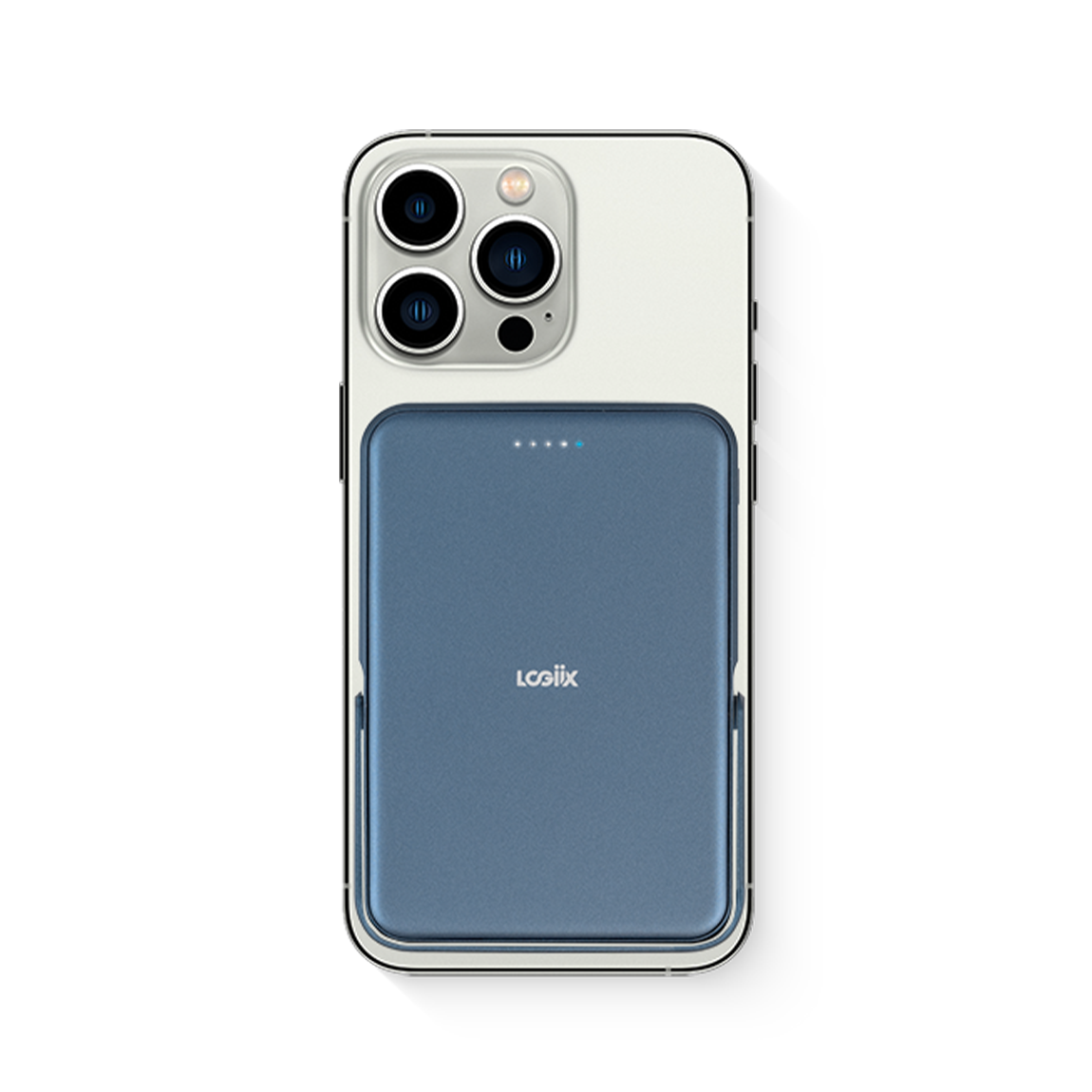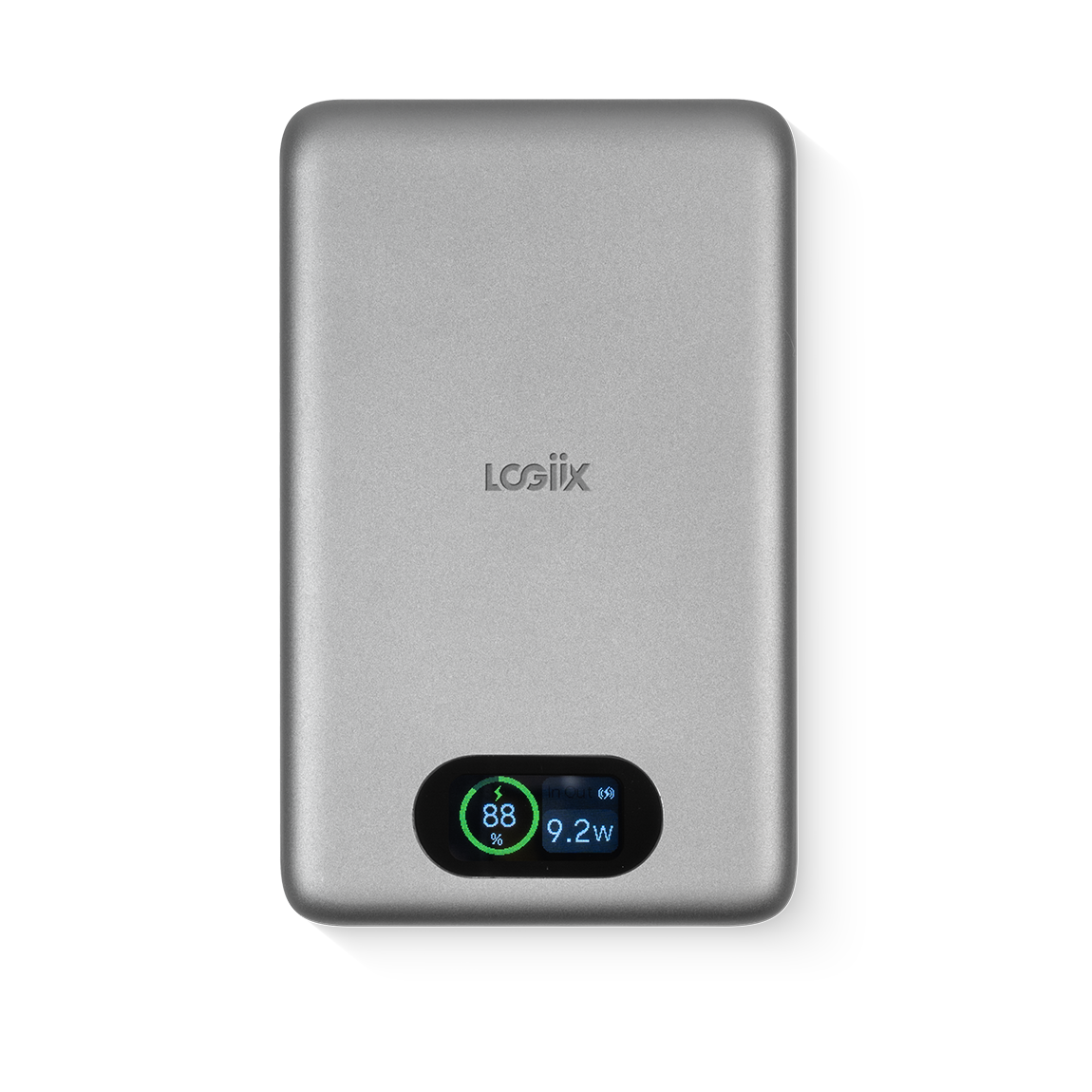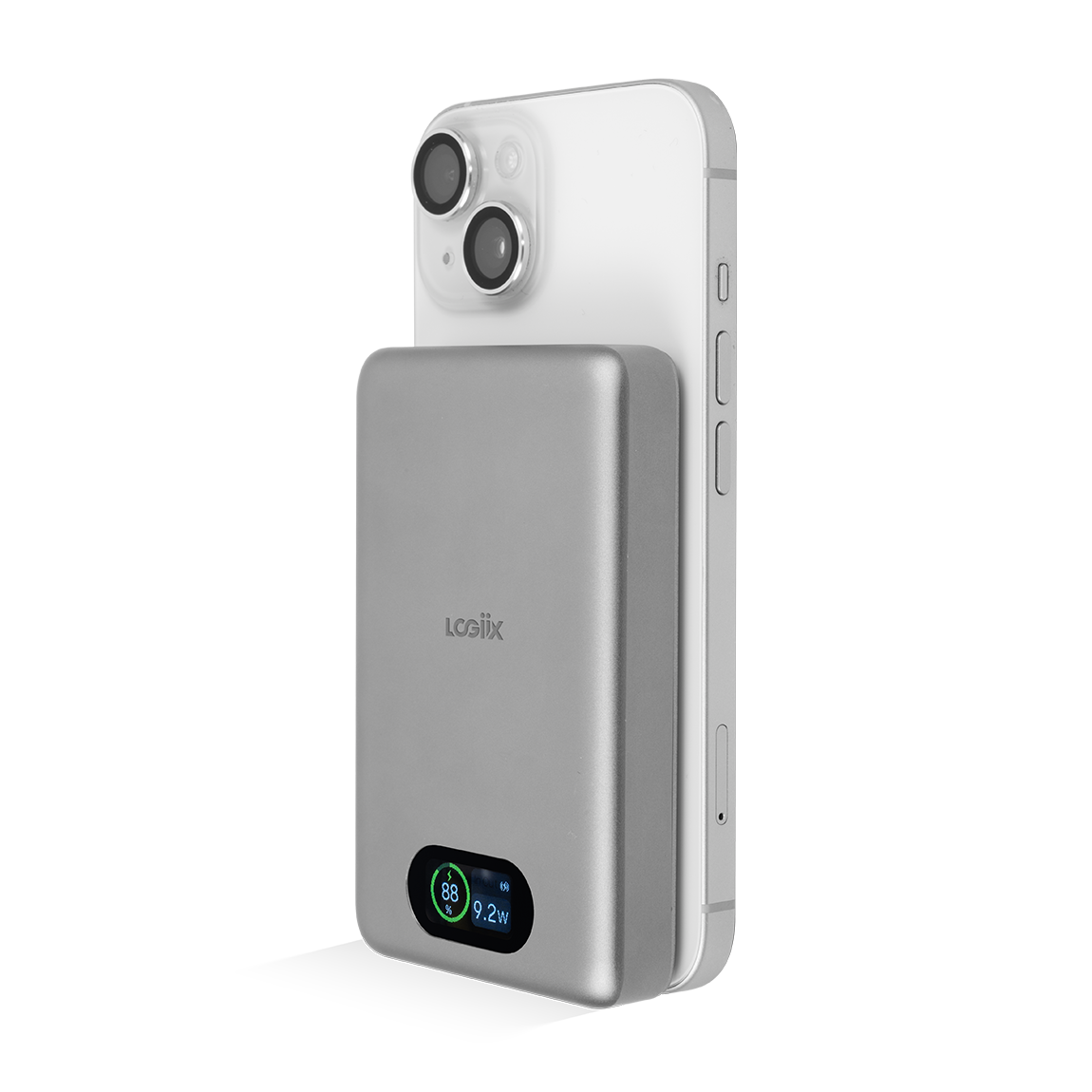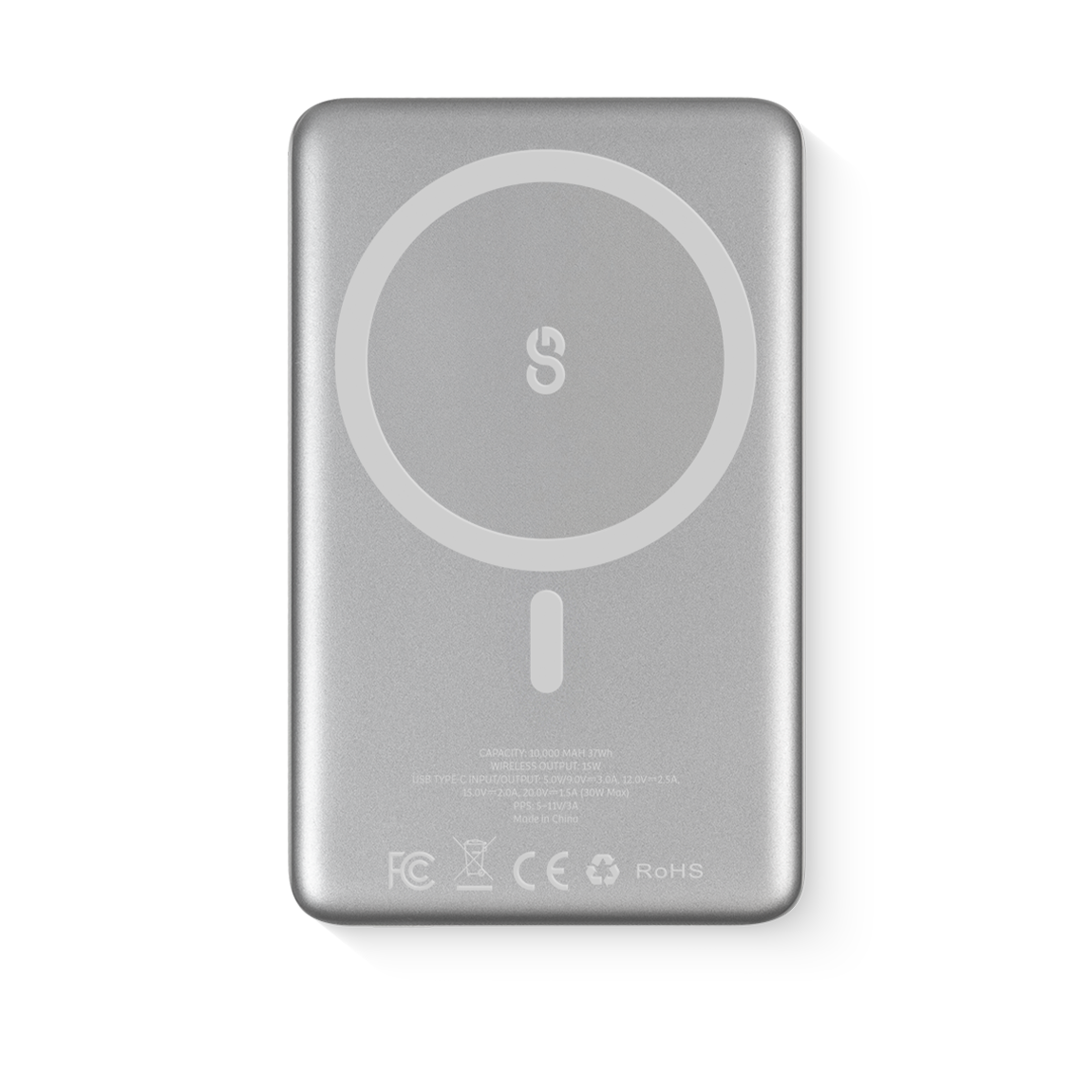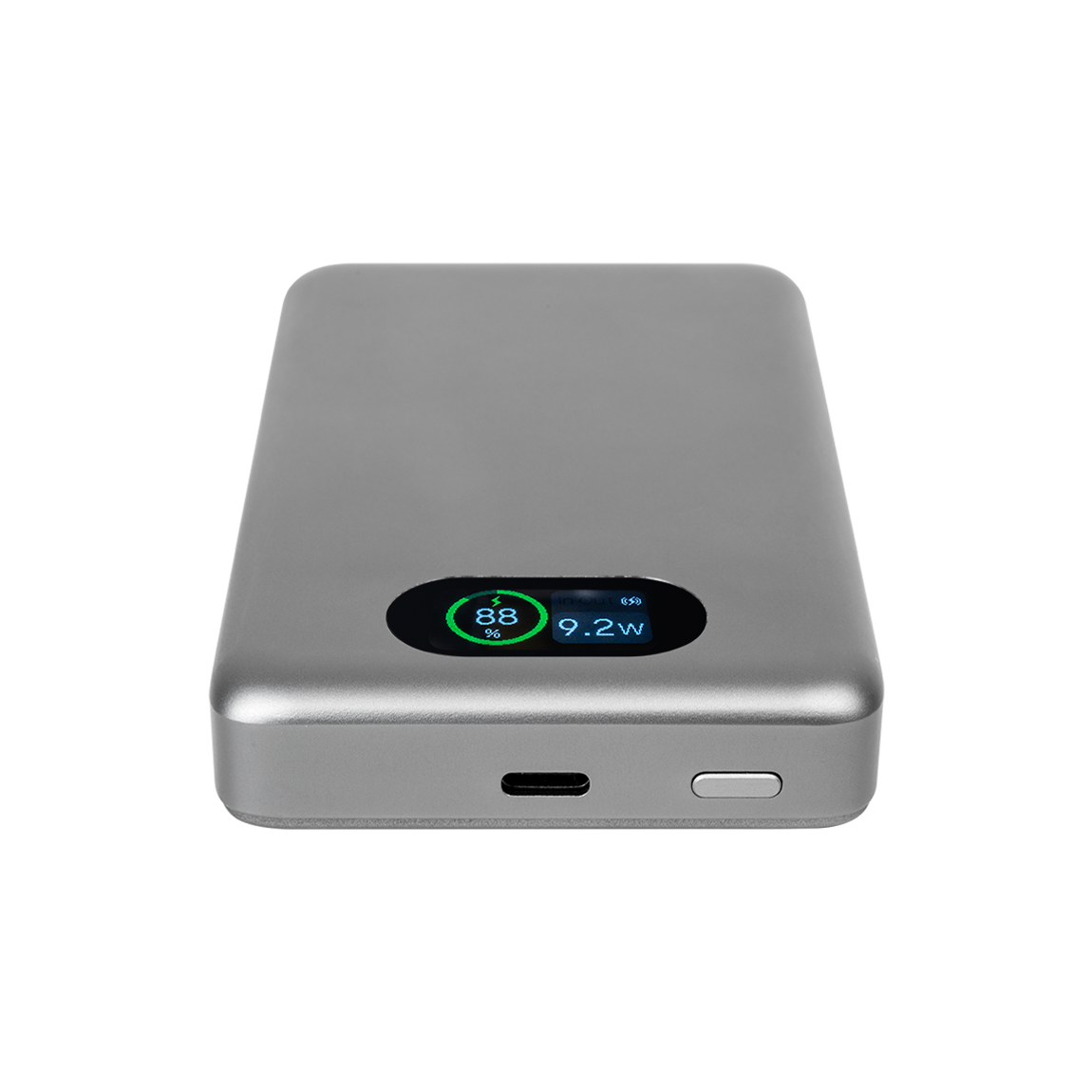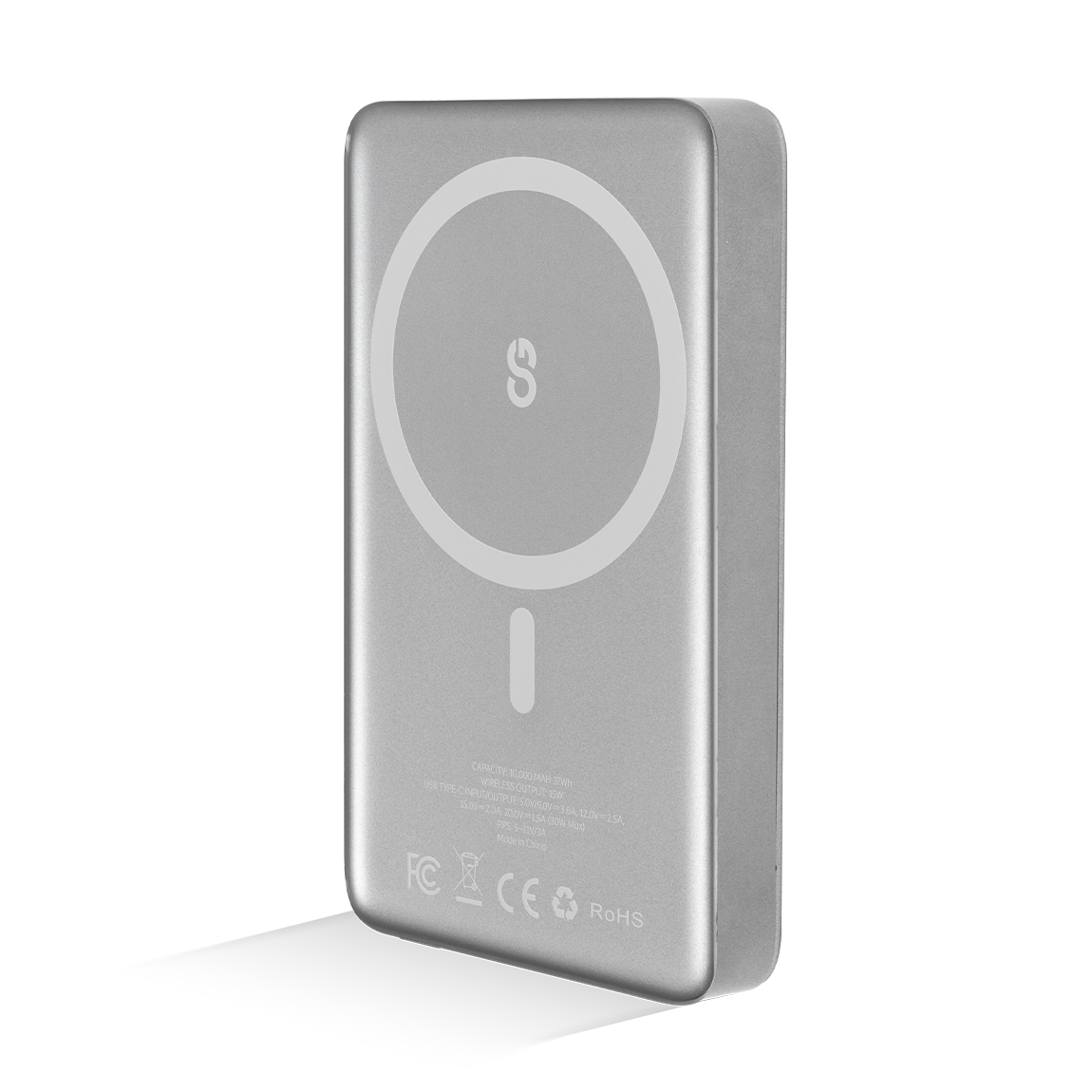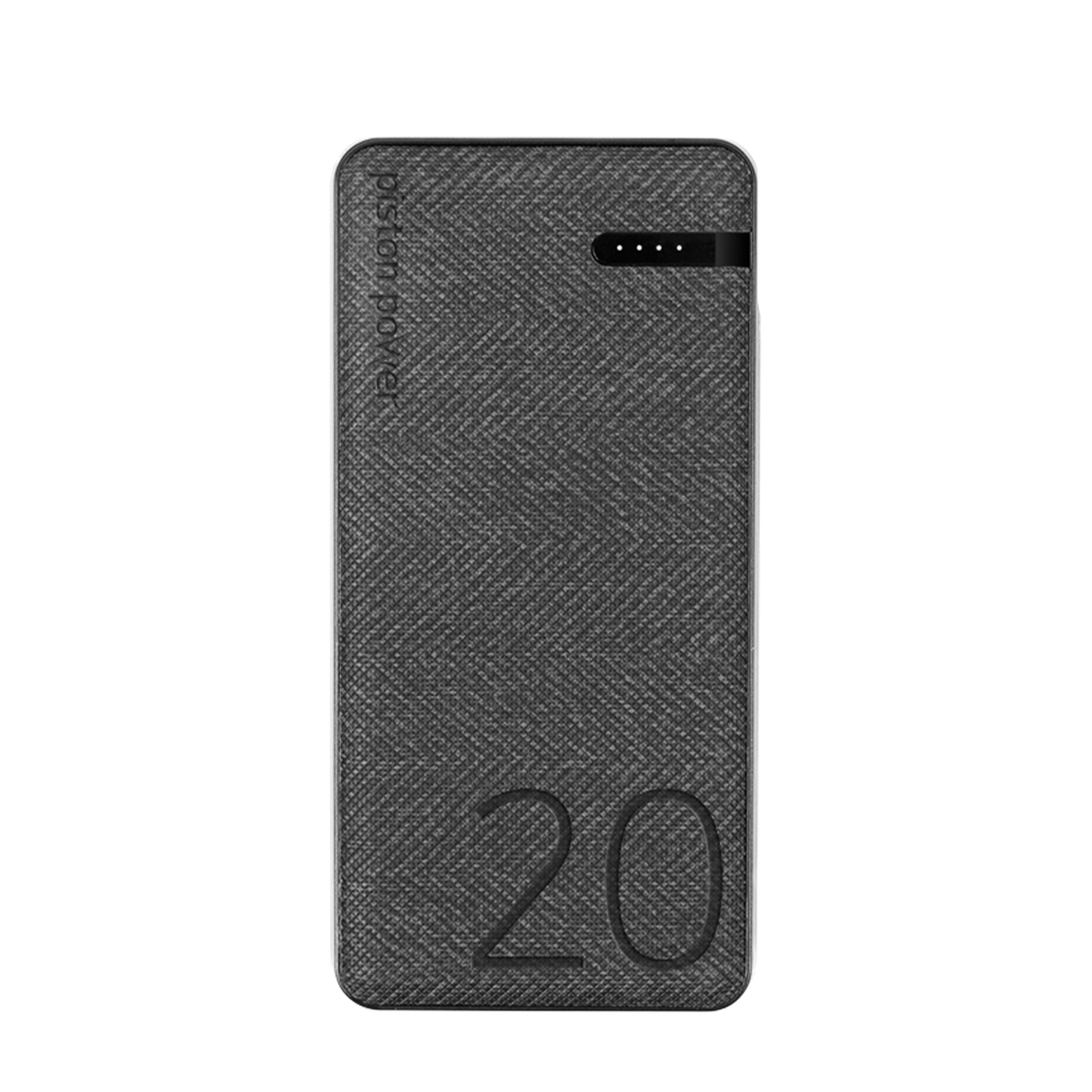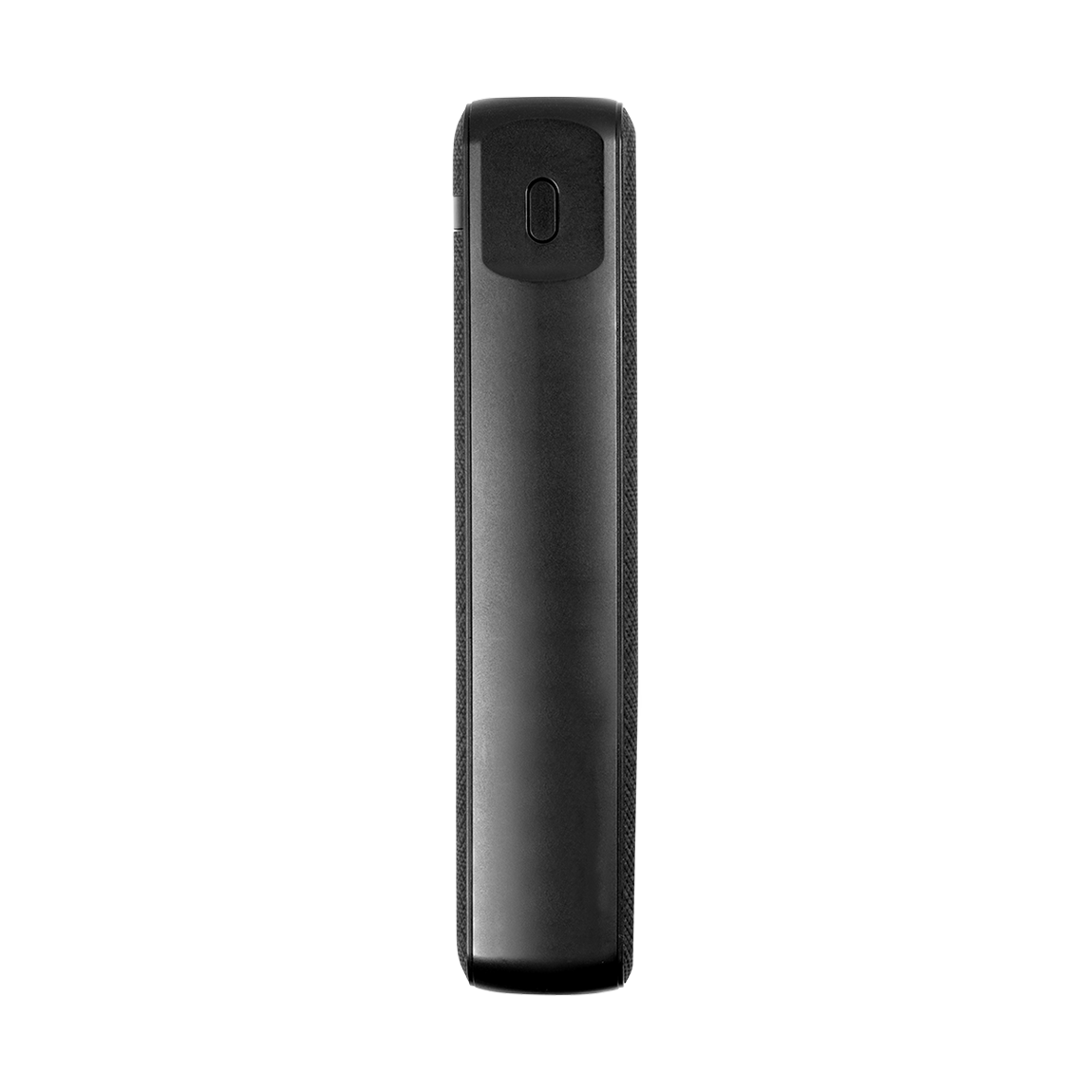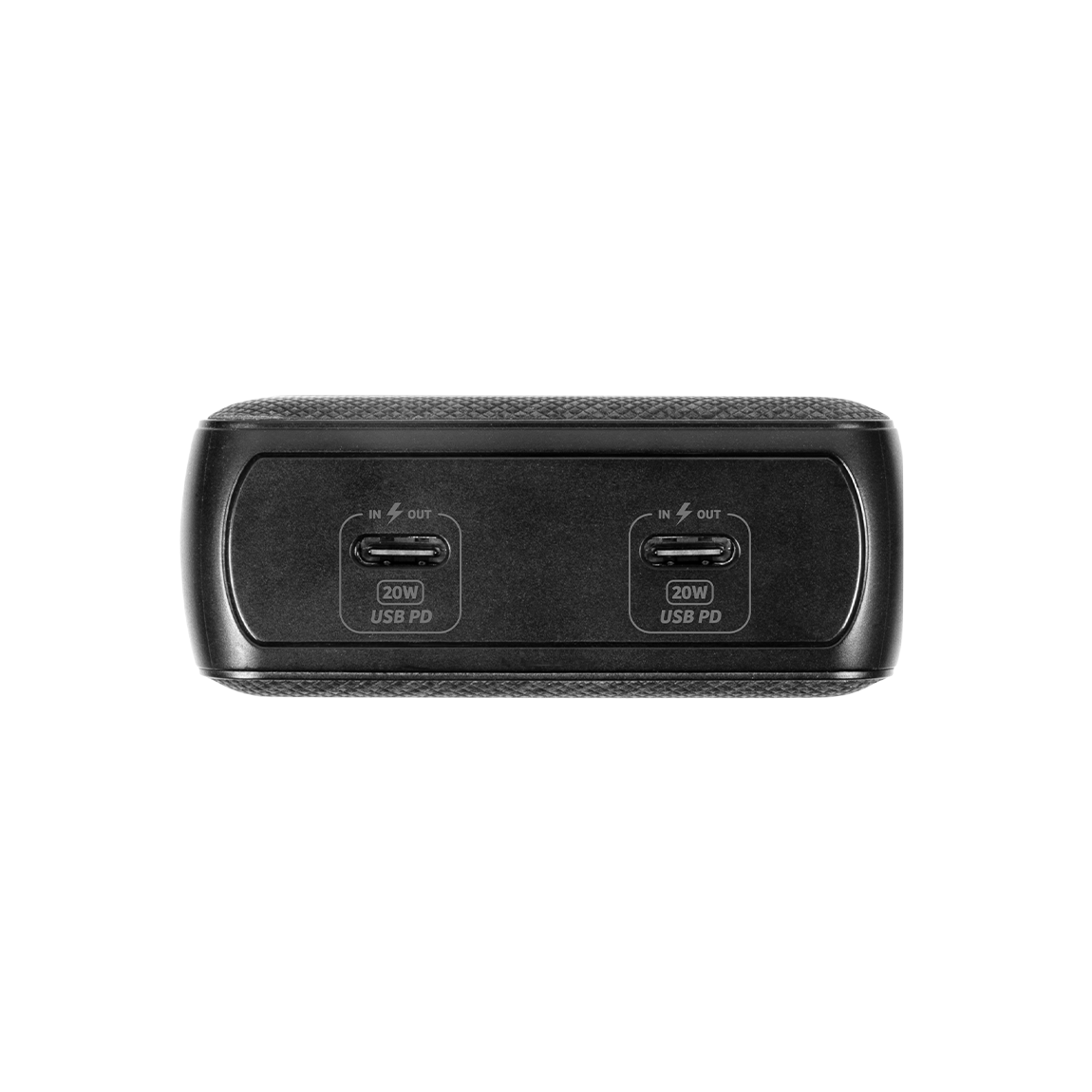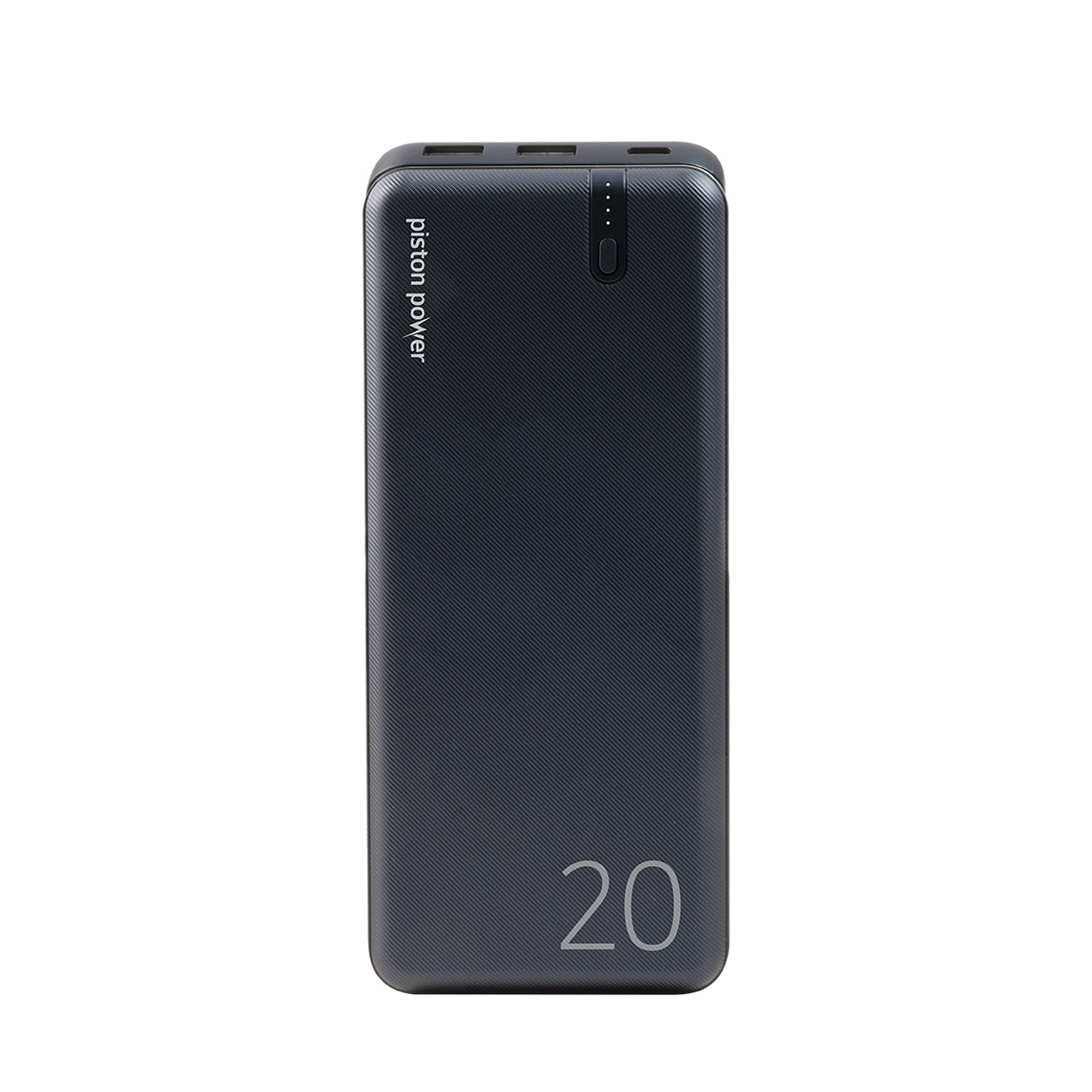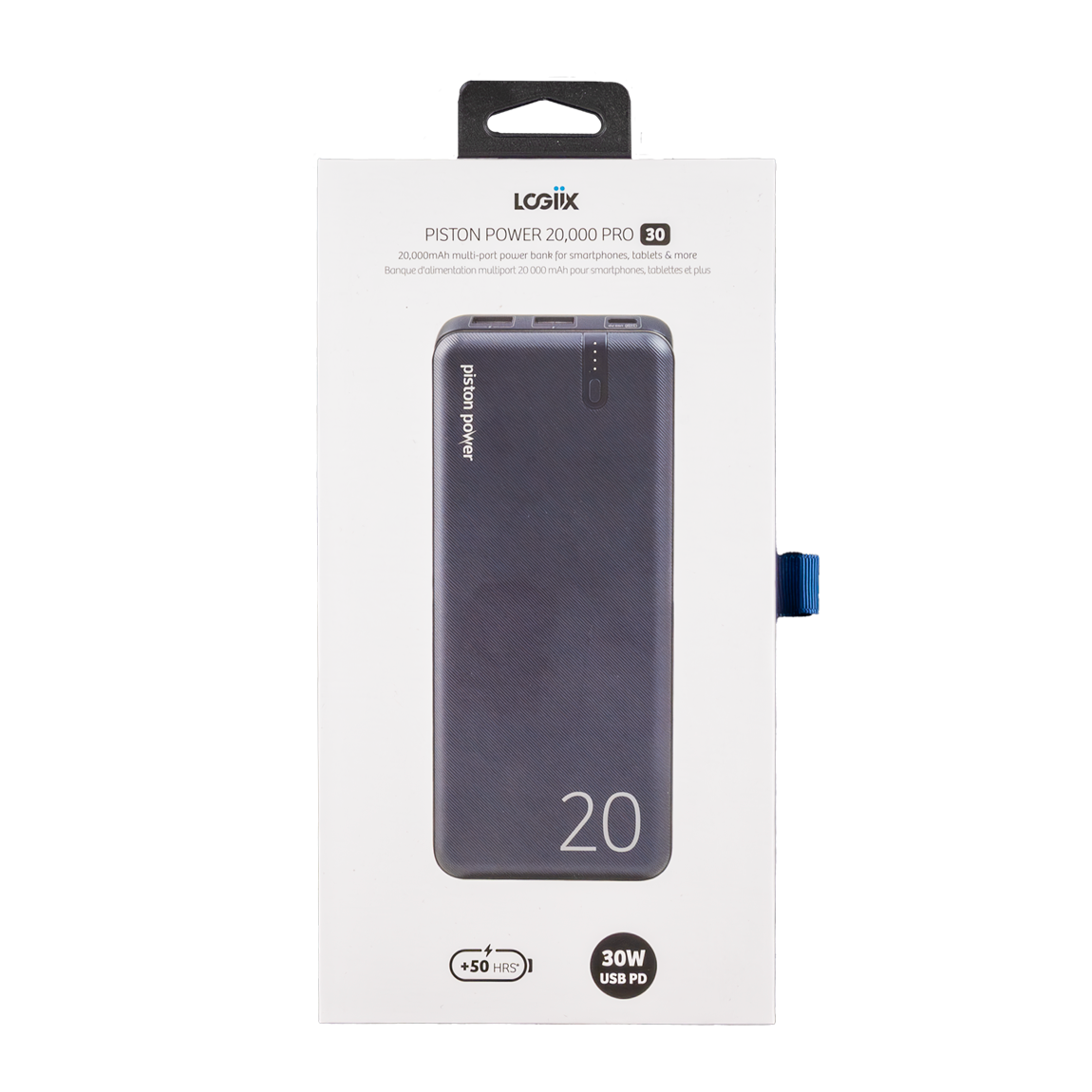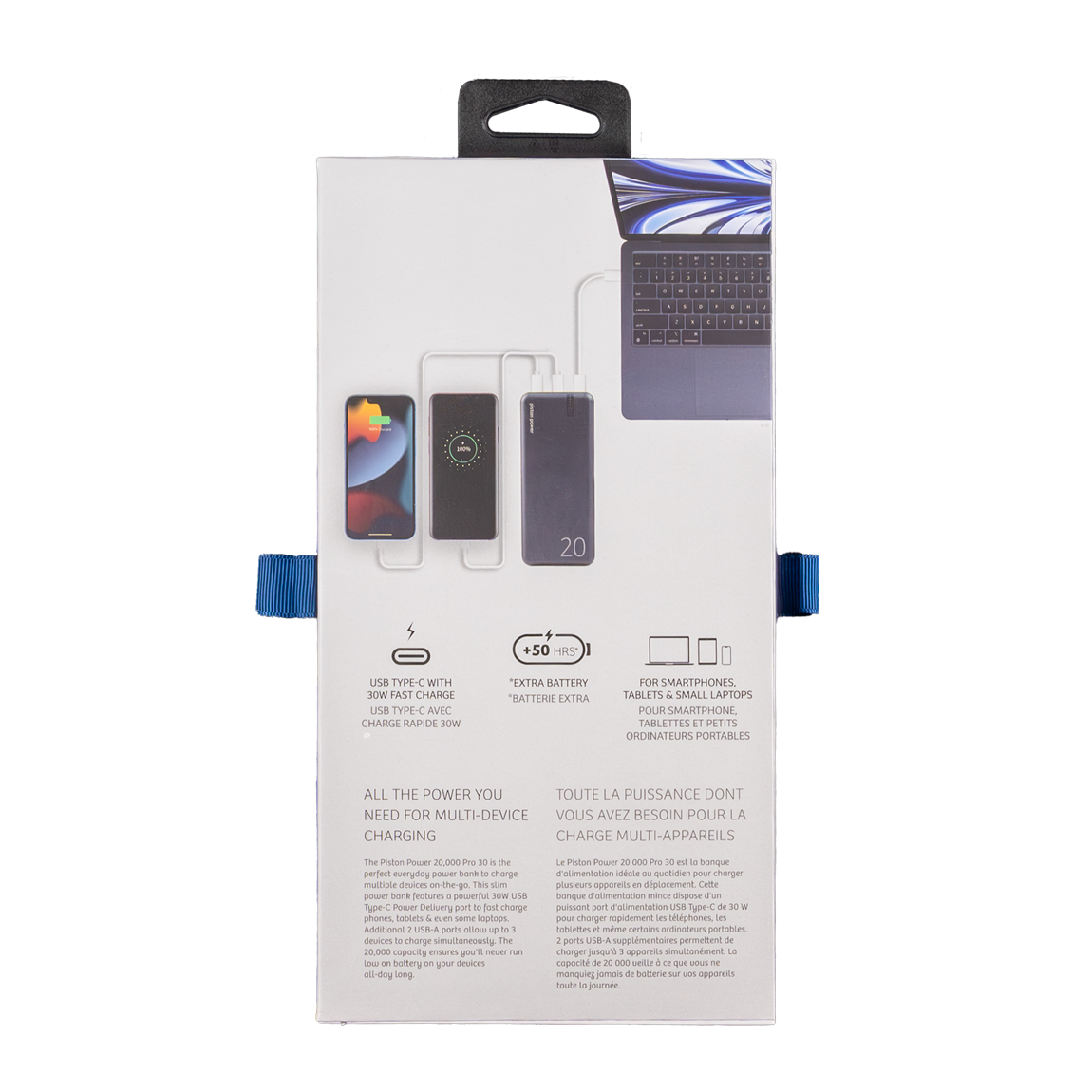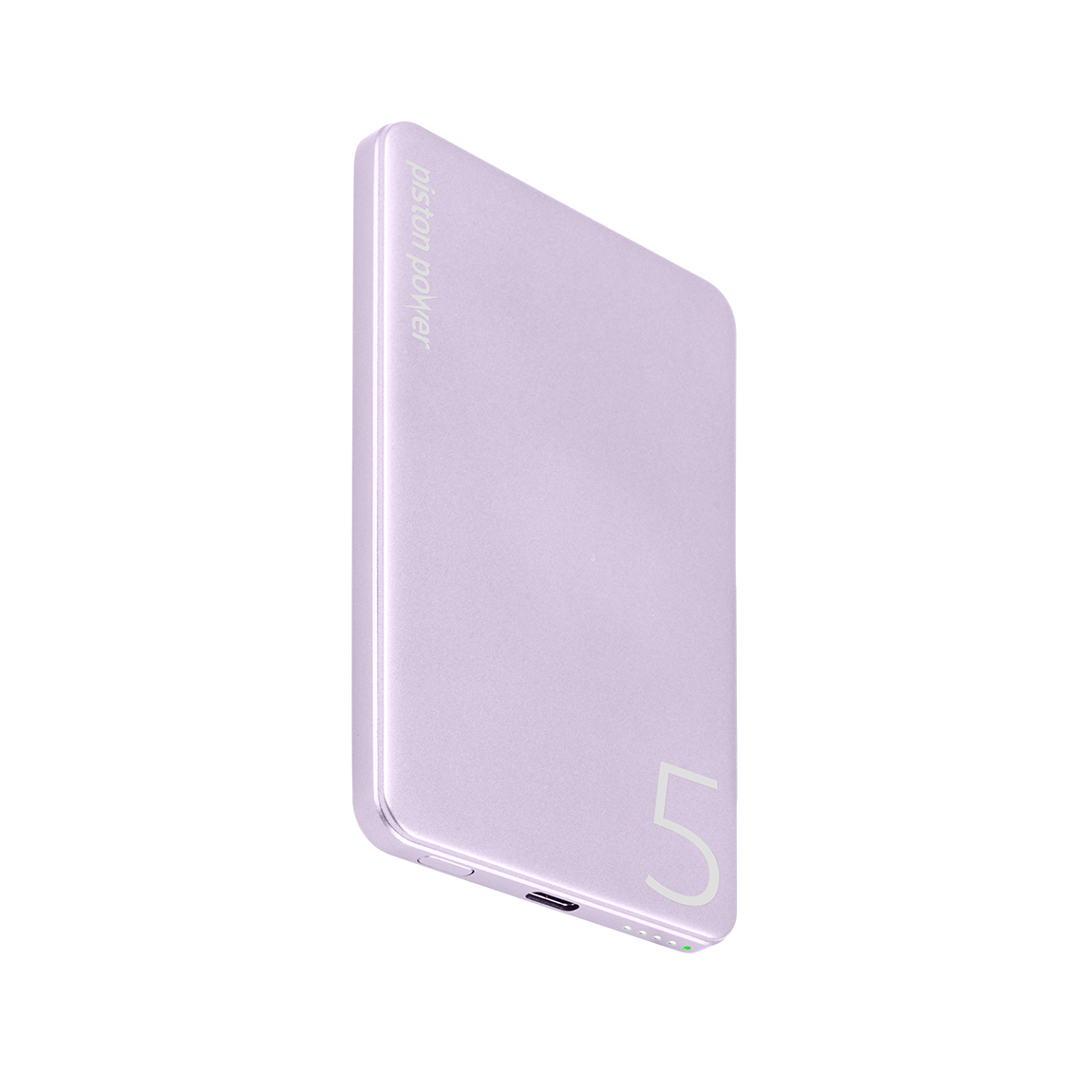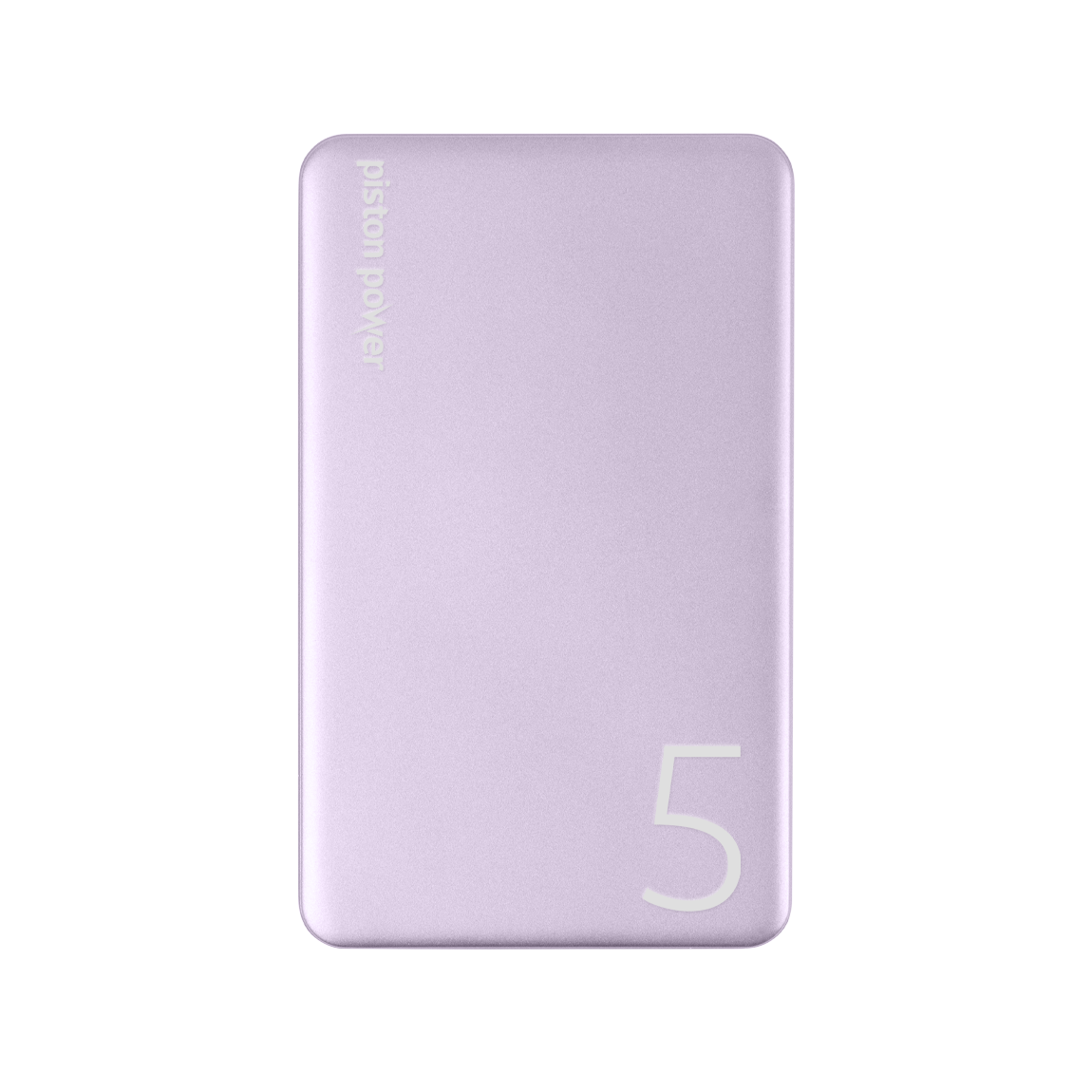





Power, Simplified.
How many charges you get from each LOGiiX power bank — plus everything you need to know before you plug in.


Real-World Capacity Explained
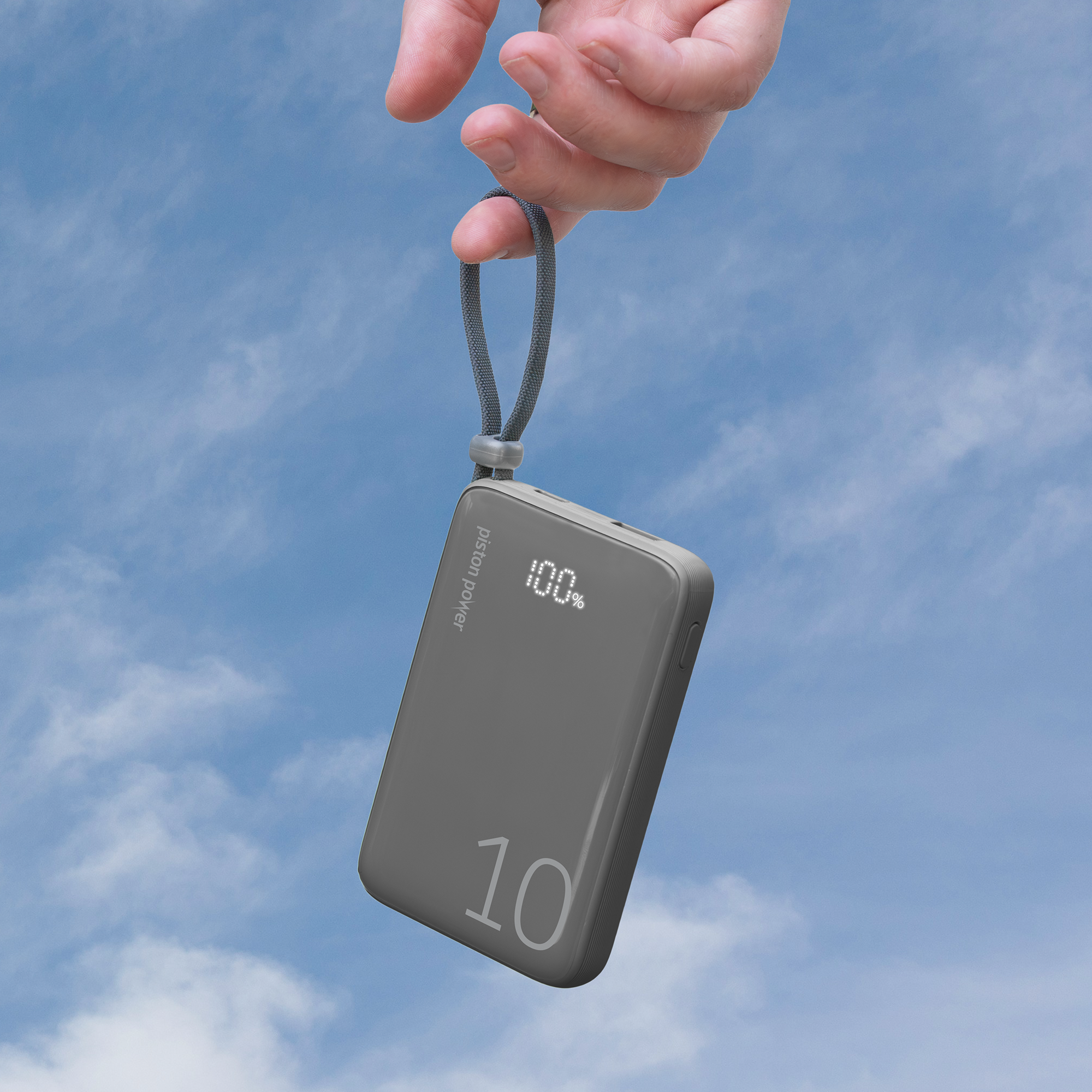
Rated capacity vs. usable capacity.
All power banks lose some energy to voltage conversion and heat. Here’s what you actually get:
5,000 mAh: 3,300–3,700 mAh usable
10,000 mAh: 7,000–7,400 mAh usable
20 mAh: 14,000–15,000 mAh usable
mAh = milliampere-hour
These numbers are what actually charge your device — giving you the real expectations, not inflated marketing.

What Is mAh?
mAh (milliamp-hours) is a measurement of battery capacity — essentially how much electrical “fuel” a battery can store.
The higher the mAh, the more charge a power bank can hold.
mAh measures how much charge a battery can provide over time. For example, a 1,000 mAh battery can deliver 1,000 milliamps for one hour or 500 milliamps for two.
In real life, some energy is lost to heat and voltage conversion, so a 10,000 mAh power bank typically gives around 7,000–7,400 mAh of usable power.
What Are Watt-Hours (Wh)?
Wh (watt-hours) measure how much actual energy a battery can deliver.
This is the unit used for airline travel rules, power ratings, and engineering calculations.
Airlines require power banks to be under 100 Wh. t provides a clearer picture of total energy, regardless of voltage changes.
mAh = tank size (how much charge the battery can store)
Wh = total energy (how long that charge can power devices)